Discover if Apple AirPods can truly replace your dedicated gaming headset in 2026. This comprehensive guide explores connectivity challenges, audio quality, microphone performance, and crucial settings optimization for PC, PS5, Xbox, and Nintendo Switch. We delve into latency issues, discuss potential FPS (frames per second) drops, and offer solutions for stuttering fix and lag reduction. Learn how to overcome common obstacles and enhance your gaming experience across genres like FPS (First-Person Shooter), MOBA (Multiplayer Online Battle Arena), RPG, Battle Royale, Indie, MMO, and Strategy titles. Uncover essential drivers, tips for Pro players, and beginner-friendly advice to make your AirPods a viable gaming option. This article provides a definitive walkthrough on maximizing your AirPods' potential for both casual and ranked play.
can i use airpods as a gaming headset FAQ 2026 - 50+ Most Asked Questions Answered (Tips, Trick, Guide, How to, Bugs, Builds, Endgame)
Welcome, fellow gamers, to the ultimate living FAQ for using AirPods as your primary gaming headset in 2026! We know you're constantly seeking that edge, that perfect setup, and perhaps the convenience of your favorite Apple earbuds for intense gaming sessions. This guide is your definitive resource, meticulously updated for the latest software patches, hardware advancements, and community insights. We'll cut through the noise, address persistent bugs, offer clever tricks, and provide clear guides to optimize your AirPods for everything from casual Indie titles to hardcore Battle Royale matches. Get ready to transform your understanding and elevate your gameplay!
Beginner Questions
Can AirPods really be used as a gaming headset on PC?
Yes, AirPods can be connected to a PC via Bluetooth for gaming audio. However, their performance as a full gaming headset, especially for competitive play, involves some compromises in latency and microphone quality. You will likely experience a noticeable delay in sound.
Do AirPods work with PlayStation 5?
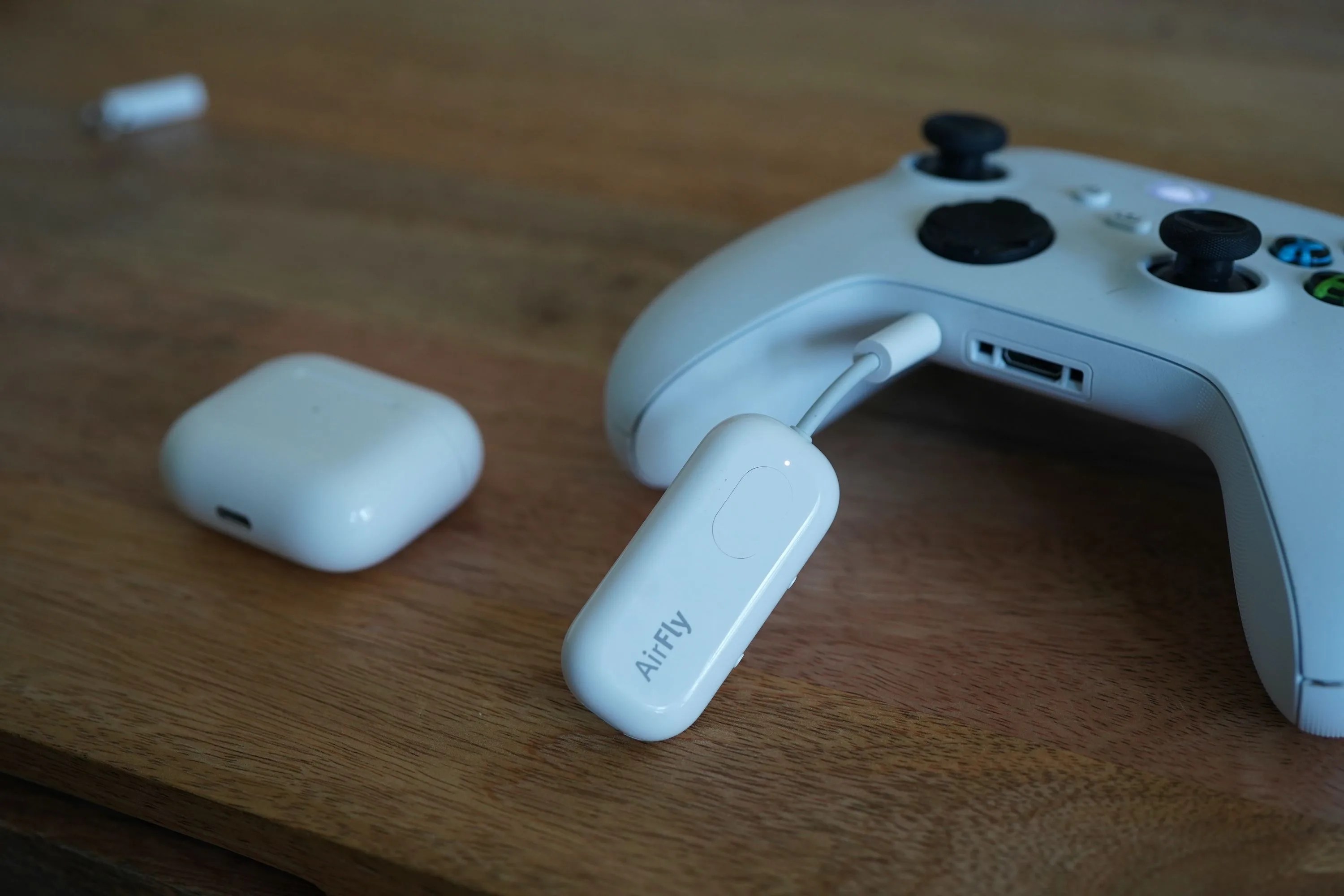
AirPods do not directly pair with a PlayStation 5 or Xbox Series X due to proprietary wireless audio protocols. You will need a third-party, low-latency USB Bluetooth adapter to connect them and receive game audio, which might still limit mic functionality.
Will using AirPods cause audio delay or lag in games?
Yes, AirPods typically introduce some audio latency or lag, particularly on non-Apple devices or without specific low-latency codecs. This delay can be noticeable in fast-paced competitive games like FPS or MOBA titles, impacting your reaction time and overall performance.
Is the microphone on AirPods good enough for team communication?
While AirPods microphones are excellent for calls, they often fall short for in-game team communication. Activating the mic usually switches to a lower-fidelity profile, degrading both your outgoing voice quality and incoming game audio. A separate mic is often recommended for clear comms.
How can I reduce latency when gaming with AirPods on PC?
To reduce latency on PC, ensure your Bluetooth drivers are updated and use a modern Bluetooth 5.0 (or newer) adapter, preferably one supporting low-latency codecs like aptX Low Latency or LE Audio. Keep your AirPods close to the adapter and minimize other wireless interference for optimal performance.
Connectivity & Setup
How do I connect AirPods to my Nintendo Switch for gaming?
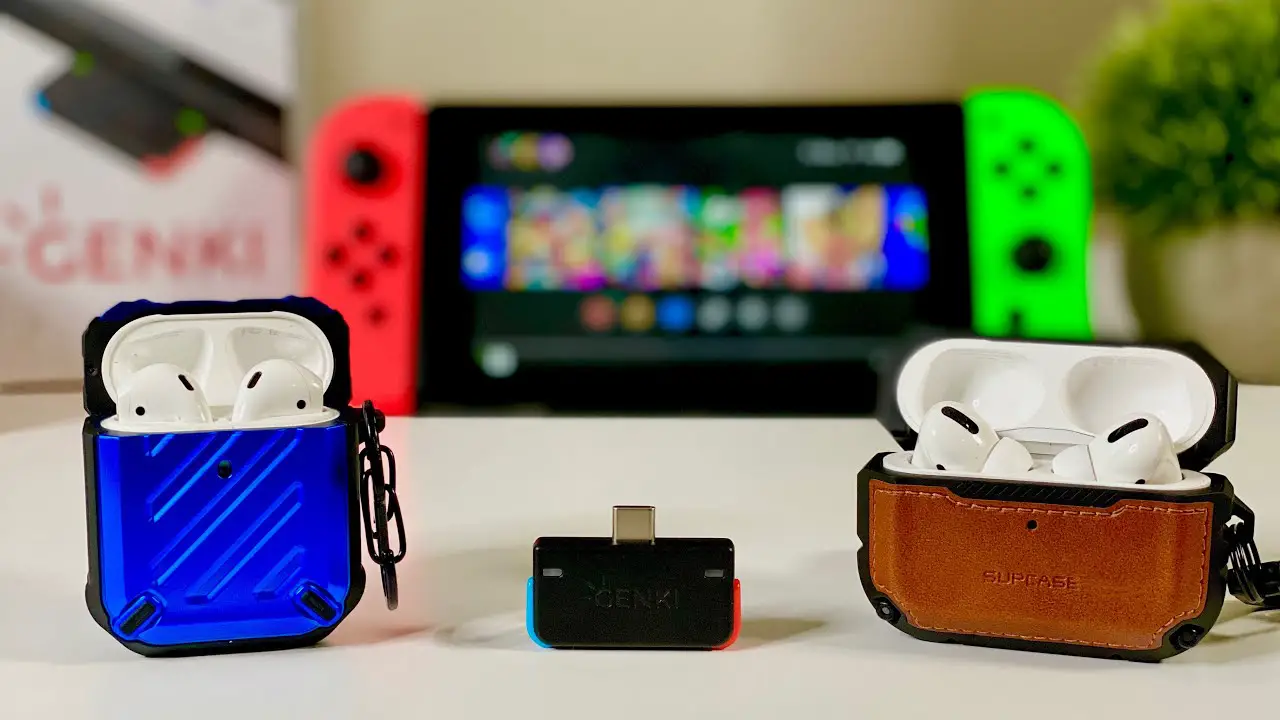
Nintendo Switch supports native Bluetooth audio, so you can pair your AirPods directly through the console's System Settings under 'Bluetooth Audio'. Be aware that microphone functionality is typically not supported for in-game chat, and latency might still be a factor in some titles.
What drivers do I need for AirPods on Windows?
For AirPods on Windows, you primarily need up-to-date Bluetooth drivers for your PC's adapter. Windows Update usually handles this, but checking your PC manufacturer's website for the latest Bluetooth drivers for your specific model can resolve many connectivity and performance issues.
Can I use AirPods for competitive ranked gaming?
Using AirPods for competitive ranked gaming is generally not recommended due to inherent Bluetooth latency and microphone quality compromises. While casual play is fine, the slight audio delay and less-than-optimal communication can put you at a significant disadvantage against players with dedicated wired or low-latency wireless headsets.
Audio Quality & Performance
Will AirPods' spatial audio work for directional cues in games?
AirPods' native spatial audio with head tracking primarily works best with Apple devices. On PC, you can use software-based solutions like Windows Sonic or Dolby Atmos for Headphones to simulate surround sound and improve directional cues in games, offering a more immersive experience than standard stereo.
Does using AirPods affect my FPS (frames per second) in games?
Using AirPods as an audio device does not directly impact your game's FPS. Audio processing is handled by your sound card or CPU/GPU, but it's a separate pipeline from graphical rendering. Any perceived FPS drop is more likely due to other system bottlenecks or high graphical settings.
Microphone & Communication
Myth vs Reality: AirPods mic is good enough for all gaming.
Myth: AirPods mic is universally good for all gaming. Reality: While decent for calls, for competitive gaming, AirPods mics often provide compressed audio and poor noise cancellation when active, switching to a low-fidelity profile that degrades both incoming and outgoing sound.
Can I use a separate mic with AirPods for game audio?
Yes, this is often the best solution! You can use your AirPods for game audio output (configured as 'Stereo' in Windows) and a separate USB microphone for voice input. This bypasses the Bluetooth mic limitation, providing excellent game sound and clear communication without compromise.
Troubleshooting & Fixes
How to fix stuttering audio when using AirPods with PC games?
Address stuttering by ensuring strong Bluetooth signal (keep AirPods close), updating Bluetooth drivers, trying an external Bluetooth 5.0+ dongle, minimizing other 2.4GHz interference, and ensuring your AirPods are fully charged. Re-pairing them can also resolve transient issues.
Platform Specific Tips
Myth vs Reality: AirPods Pro 2 fixes all gaming issues.
Myth: AirPods Pro 2 automatically fixes all gaming issues. Reality: While AirPods Pro 2 offers improved sound and ANC, it still operates on Bluetooth, meaning inherent latency and mic limitations persist, especially on Windows PCs. It significantly enhances the experience but doesn't eliminate all gaming challenges.
Are AirPods viable for casual Indie or Strategy games?
Yes, AirPods are quite viable for casual Indie or Strategy games. These genres typically do not demand ultra-low latency or precise directional audio, making AirPods' comfortable fit, decent sound quality, and portability a great choice for immersive, relaxed gameplay sessions.
Advanced Optimization
Myth vs Reality: Bluetooth 5.0 makes AirPods lag-free for gaming.
Myth: Bluetooth 5.0 makes AirPods entirely lag-free for gaming. Reality: Bluetooth 5.0 provides a more stable connection and increased range, but it doesn't inherently eliminate all audio latency. While it helps, the codec used (e.g., SBC, AAC) and system processing still contribute to delay, especially on non-Apple platforms.
What role do specific audio codecs play in AirPods gaming performance?
Audio codecs like AAC (used by AirPods) or SBC on Windows impact latency and quality. Newer codecs like LC3 (with LE Audio) promise significantly lower latency and better audio/mic coexistence, slowly becoming available in 2026. This means future AirPods might offer a truly competitive gaming experience.
Bugs & Known Issues
Why does my game audio quality drop when I use the AirPods mic?
This common issue occurs because when the AirPods' microphone is activated on PC, they typically switch to the 'Hands-Free AG Audio' profile. This profile prioritizes voice communication over high-fidelity stereo playback, resulting in a noticeable reduction in game audio quality to mono or lower bitrate.
Myth vs Reality
Myth vs Reality: AirPods are competitive esports ready in 2026.
Myth: AirPods are fully competitive esports ready in 2026. Reality: For top-tier esports, wired headsets or specialized low-latency 2.4GHz wireless solutions still dominate due to their zero-lag performance, superior microphone clarity, and robust reliability, which AirPods, despite advancements, cannot fully match yet.
Endgame Grind & Pro Tips
What's the best setup for a Streamer using AirPods for personal audio?
A streamer using AirPods for personal game audio should pair them to their PC (stereo mode only) and use a separate, high-quality USB condenser mic for their commentary. This ensures crystal-clear stream audio, excellent personal game sound, and no compromise on microphone quality for their audience.
Myth vs Reality: All AirPods are equal for gaming performance.
Myth: All AirPods models offer similar gaming performance. Reality: AirPods Pro 2 and AirPods Max offer superior sound quality, noise cancellation, and potentially better connection stability due to advanced chips (like H2) compared to standard AirPods, making them significantly better choices for a gaming setup in 2026.
Still have questions?
If you're still pondering the intricacies of using AirPods for gaming, explore our other guides like 'Optimizing PC Gaming Audio Settings' or 'Choosing the Best Wireless Gaming Headset 2026' for more in-depth solutions and recommendations tailored to your specific needs!
So, you’ve probably wondered, "Can I actually use my fancy AirPods as a gaming headset?" It’s a question that’s popping up everywhere from casual chats to heated forum discussions as we roll into 2026. With Apple continuously refining their audio tech, many gamers are looking to consolidate their gear. The idea of using sleek, comfortable AirPods for intense gaming sessions is certainly appealing, moving beyond traditional bulky headsets. We are going to explore if this dream setup is truly a reality for various platforms and game genres.
Apple's AirPods have come a long way since their inception, offering impressive audio fidelity for music and calls. However, gaming presents a unique set of challenges, especially regarding low latency and reliable microphone input. Traditional gaming headsets are designed specifically to minimize delays and provide crystal-clear communication, which is vital in competitive play. But with advancements like improved Bluetooth codecs and faster processing in AirPods, the gap is steadily closing for many users. Understanding these nuances is key to optimizing your gaming experience.
This comprehensive guide will break down the feasibility, address common issues like FPS (frames per second) drops, stuttering fix methods, and lag, and offer practical tips for various gaming scenarios. We will cover settings optimization, necessary drivers, and specific considerations for different gaming platforms. Whether you are a beginner or a Pro gamer looking for a sleek alternative, this article provides a detailed walkthrough to help you make an informed decision. Let’s dive deep into how your AirPods might just surprise you in the gaming arena.
The AirPods Advantage for Gamers
AirPods offer unparalleled convenience and portability, making them incredibly attractive. Their seamless integration with Apple devices is a major plus point for many users. The comfort of a lightweight, truly wireless earbud during long gaming sessions cannot be overstated, especially compared to heavier over-ear headsets. Modern AirPods, particularly the Pro and Max models, feature advanced active noise cancellation and transparency modes. These features are immensely beneficial for immersive gaming and staying aware of your surroundings, respectively. The audio quality for casual listening is fantastic.
Connectivity and Compatibility: What to Expect
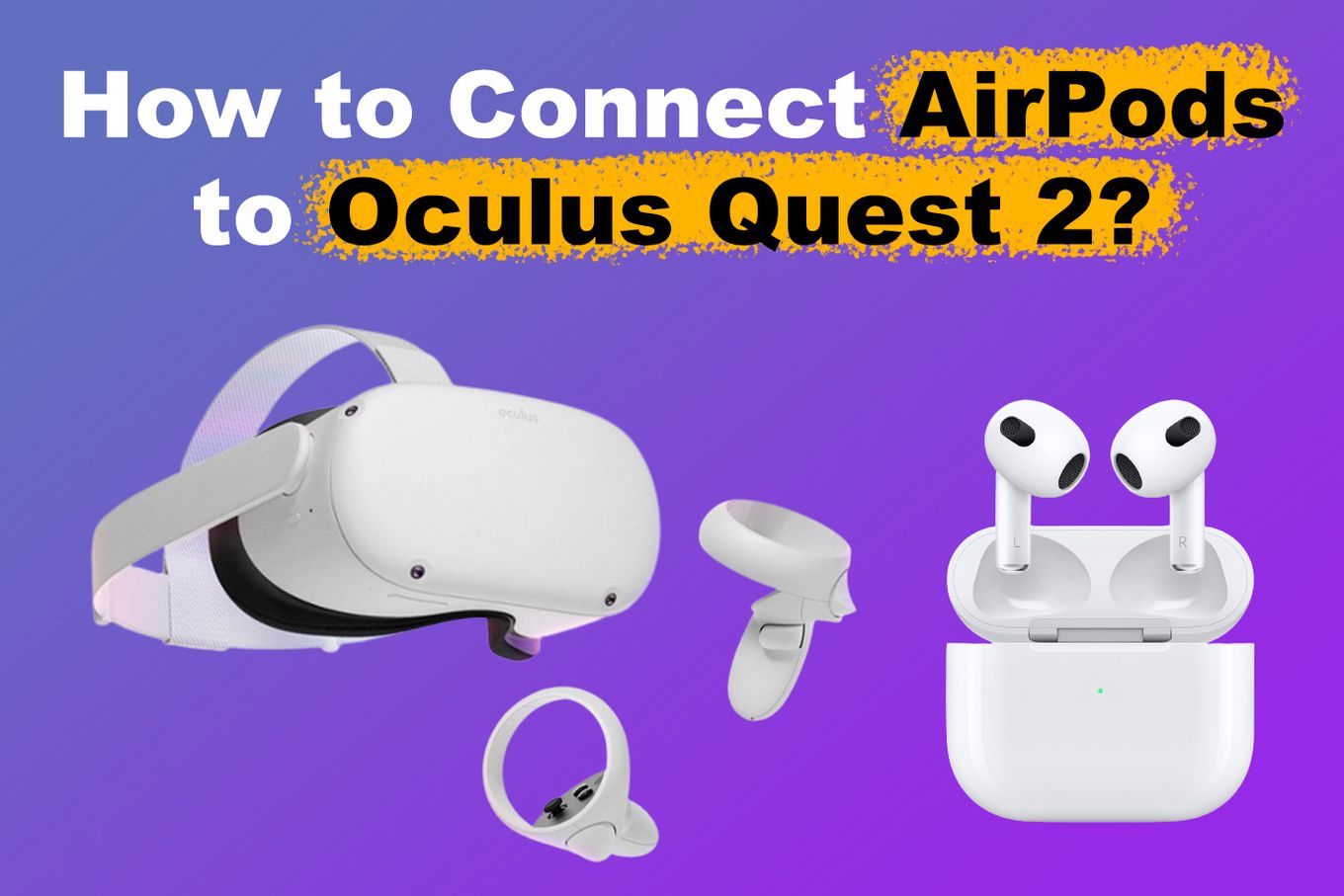
Connecting AirPods to your gaming setup can be straightforward on some platforms but tricky on others. On PC, Bluetooth is the primary method, requiring stable drivers and proper settings optimization. PlayStation 5 and Xbox Series X present more hurdles due to their proprietary wireless audio protocols, often necessitating third-party Bluetooth adapters. Nintendo Switch offers native Bluetooth support, but latency can still be a concern for fast-paced titles. Understanding these compatibility nuances is the first step towards a successful gaming experience.
- PC Compatibility: Most PCs with modern Bluetooth can connect AirPods. Ensure your Bluetooth drivers are up to date for best performance.
- Console Challenges: PS5 and Xbox typically require a low-latency Bluetooth dongle to enable AirPods. Direct connection is usually not supported.
- Nintendo Switch: Offers native Bluetooth audio, but microphone support is limited and latency might be noticeable.
Addressing Key Gaming Concerns with AirPods
The primary concerns for gamers using AirPods revolve around latency, microphone quality, and simultaneous audio/mic functionality. High latency can lead to a desynchronized audio experience, hindering reaction times in critical moments. The built-in microphones in AirPods are excellent for calls but may not meet the crisp, clear standards required for competitive in-game communication. Furthermore, operating both audio output and microphone input simultaneously often degrades audio quality due to Bluetooth bandwidth limitations. These are significant hurdles to overcome.
Latency: The Ultimate Gaming Killer
Latency, or audio delay, is perhaps the biggest barrier for AirPods in gaming. While newer Bluetooth codecs like LC3 and LE Audio, becoming more common in 2026 devices, aim to significantly reduce latency, it can still be an issue. For FPS titles or MOBA games where split-second audio cues matter, even a small delay can be detrimental. You might hear footsteps a fraction of a second too late, which could be the difference between winning and losing. External low-latency Bluetooth adapters can help, but they are not always perfect.
Microphone Performance: Communication is Key
AirPods microphones are designed for clear voice calls in quiet environments. In a gaming context, especially with background noise, they might struggle to isolate your voice effectively. When using AirPods on PC, switching to the 'headset' profile often activates the microphone but sacrifices high-fidelity audio, resulting in a noticeable drop in sound quality. This 'hands-free' profile is a common compromise. Dedicated gaming headsets excel here by offering directional microphones with noise cancellation tailored for gaming environments. Exploring a separate USB microphone might be a necessary peripheral addition for serious gamers.
Audio Quality vs. Microphone Usage: The Bluetooth Dilemma
The Bluetooth standard often struggles to maintain high-quality stereo audio output and simultaneous high-quality microphone input. When you activate the microphone on your AirPods, the audio profile typically switches from A2DP (high-quality stereo) to HFP/HSP (hands-free profile), which is mono and lower fidelity. This is a fundamental limitation of older Bluetooth versions and is slowly being addressed by newer technologies. For many competitive games, you'll need to choose between great sound or decent communication, unless you invest in advanced adapters or separate mic solutions. This trade-off is a critical consideration for any gamer.
Beginner / Core Concepts
1. Q: Can I really use my AirPods for gaming on my PC without buying anything else?
A: You know, this one confuses so many people, and I totally get why. In short, yes, you absolutely *can* connect your AirPods to your PC directly via Bluetooth. Most modern Windows PCs have Bluetooth built-in, so you won't need extra hardware just to get sound. You'll pair them just like any other Bluetooth device, which is pretty straightforward. However, the catch is in the experience. While you'll get audio output, using the microphone simultaneously often forces your AirPods into a lower-quality audio mode, making everything sound a bit flat. It's fine for casual single-player games where communication isn't key, but for anything competitive or requiring clear voice chat, you'll notice the difference immediately. It's a classic Bluetooth limitation that still pops up even with 2026 tech. You've got this, just manage your expectations!
2. Q: Will AirPods cause lag in my games, especially competitive ones like Valorant or Warzone?
A: Oh, the dreaded lag question! This one used to trip me up too when wireless audio started getting popular. Yes, AirPods, like most Bluetooth audio devices, introduce some degree of audio latency or lag. This isn't usually a problem for music or video, but in fast-paced competitive games like Valorant or Warzone, even a small delay can be crucial. You might hear footsteps a millisecond too late, or a critical ability cue might be slightly off. While Apple has made strides with lower latency codecs, especially between AirPods and Apple devices, on a Windows PC, you're relying on the general Bluetooth stack, which can vary. For casual play, it's often negligible, but for ranked matches, you're definitely at a disadvantage compared to a wired headset. It's a reality check moment for sure. Try it out, but keep an eye on your performance!
3. Q: Is the microphone on AirPods good enough for in-game voice chat?
A: This is a common point of contention, and it's super important for team-based games. The microphone on AirPods is excellent for phone calls and video conferences; it's designed to pick up your voice clearly in typical environments. However, for gaming, especially when you need to provide precise callouts or clear instructions to your teammates, it often falls short. When you activate the mic on your PC, your AirPods often switch into a 'hands-free' profile, which downgrades the overall audio quality for both input and output. Your game audio will sound less rich, and your voice might sound compressed or tinny to your teammates. For casual banter, it's probably okay, but for serious competitive play, a dedicated headset mic or a separate USB microphone will offer a significantly better experience. Don't let a bad mic hold your team back!
4. Q: Can I use AirPods with my PlayStation 5 or Xbox Series X/S?
A: This is a tricky one, and honestly, it's a bit of a bummer. Directly connecting your AirPods to a PS5 or Xbox Series X/S isn't natively supported. Sony and Microsoft use proprietary wireless audio technologies that don't play nice with standard Bluetooth headphones like AirPods. So, if you just try to pair them, it won't work. However, there's a workaround! You'll need to invest in a low-latency USB Bluetooth adapter that's compatible with your console. Plug that dongle into a USB port, pair your AirPods to the dongle, and *then* you can get audio. Even with an adapter, microphone functionality might be limited or require specific setup. It's not as seamless as you'd hope, but it's doable with an extra piece of gear. You've got options if you're willing to add an accessory!
Intermediate / Practical & Production
5. Q: What settings should I optimize on my PC to get the best AirPods gaming experience?
A: Alright, this is where we get into the nitty-gritty, and it can really make a difference! First, ensure your PC's Bluetooth drivers are completely up to date; outdated drivers are a common culprit for weird audio issues. Go into your Windows Sound Settings and make sure your AirPods are set as the default 'Playback Device' for high-quality stereo output (e.g., 'AirPods Stereo'). Critically, *avoid* setting them as the 'Hands-Free AG Audio' device for playback unless you absolutely need the microphone, as this profile significantly degrades sound quality. If you need a mic, consider using a separate USB mic. Also, in your game settings, ensure the audio output is directed to your AirPods. Some games allow you to select specific audio devices. Finally, disable any spatial audio features on Windows if they conflict with AirPods' native spatial audio, or if you prefer a simpler stereo sound for competitive advantage. Experimentation is key here; you've got this!
6. Q: How do I fix stuttering or audio dropouts when using AirPods for gaming?
A: Ah, the dreaded stuttering and dropouts—super frustrating when you're in the middle of a clutch play! This often boils down to a few common issues. First, check your PC's Bluetooth adapter. Is it an older version, or is it integrated poorly? An external USB Bluetooth 5.0 (or newer) dongle can sometimes provide a more stable connection and better range, especially one that supports advanced codecs if your AirPods do. Second, minimize interference. Keep your PC and AirPods close together, and try to reduce other wireless devices operating on the 2.4GHz band (like Wi-Fi routers or other Bluetooth peripherals) if possible. Thirdly, ensure your AirPods are fully charged; low battery can sometimes lead to connectivity issues. Finally, sometimes a simple reset of your AirPods and a re-pairing with your PC can clear up transient glitches. If you're still struggling in 2026, check for updated firmware for both your AirPods and your PC's Bluetooth driver. Don't let those audio hiccups ruin your game, you can troubleshoot this!
7. Q: Are there any specific low-latency Bluetooth adapters recommended for gaming with AirPods on consoles?
A: Yes, absolutely! If you're serious about gaming with AirPods on a PS5 or Xbox in 2026, you'll definitely want a specific low-latency USB Bluetooth adapter. Generic dongles might work for audio, but often introduce too much lag for competitive play. Look for adapters that explicitly support 'aptX Low Latency' or, even better, the newer 'LE Audio' standard with LC3 codec, if your AirPods and console (or dongle itself) are compatible. Brands like Creative (e.g., BT-W5) or certain UGREEN models have gaming-focused adapters that prioritize minimal delay. Always check reviews specifically mentioning console compatibility and gaming performance. These adapters create a direct, optimized wireless link, bypassing the console's internal (and often incompatible) Bluetooth. Just remember, while these adapters drastically reduce audio latency, they might still have limitations with microphone functionality, which can be a separate challenge to tackle. You're almost there with the right gear!
8. Q: Can I achieve spatial audio for gaming with my AirPods Pro 2 or AirPods Max on PC?
A: This is a fantastic question and a feature that really enhances immersion! AirPods Pro 2 and AirPods Max offer excellent hardware-accelerated spatial audio, and yes, you can get a form of it on PC. However, it's not always the same 'head-tracking' spatial audio you get on Apple devices. On Windows, you can enable 'Windows Sonic for Headphones' or purchase 'Dolby Atmos for Headphones' or 'DTS Sound Unbound' from the Microsoft Store. These are software-based spatial audio solutions that can work with any stereo headphones, including AirPods. While they don't leverage the AirPods' native head-tracking sensor directly, they do virtualize surround sound, giving you a much better sense of directionality in games than standard stereo. For the best experience, ensure your game supports 7.1 surround sound output, and then let the software do its magic. It's a great way to boost your gaming soundstage without a dedicated 7.1 headset! Experiment with different settings, you'll find what works for you!
9. Q: What are the best AirPods models for gaming in 2026, and why?
A: This is a crucial decision for anyone considering this setup in 2026. If you're looking for the absolute best AirPods for gaming, the AirPods Pro 2 (and any subsequent 2026 refresh) or the AirPods Max are your top contenders. Why? The AirPods Pro 2 offers excellent active noise cancellation, which is vital for immersion, and significantly improved audio processing compared to standard AirPods. Their shorter stem design helps with mic clarity. The AirPods Max, while heavier, provides superior audio fidelity and even better noise cancellation, giving you an almost studio-quality sound experience. Both models benefit from Apple's latest H2 chip, offering more stable connections and potentially better latency, especially if connected via a compatible LE Audio dongle. Standard AirPods are fine for casual gaming, but the Pro and Max versions truly elevate the experience with better sound, ANC, and overall performance, justifying the higher price for serious gamers. Go for the Pro or Max if you can!
10. Q: Are there specific game genres where AirPods perform better or worse?
A: Absolutely, the game genre makes a huge difference in how well AirPods will perform! They shine in single-player RPGs, Indie games, or Strategy titles where precise, real-time audio isn't as critical as immersion and rich soundscapes. Think sprawling open-world adventures or narrative-driven experiences where the beautiful soundtrack and ambient noises truly enhance the game. However, AirPods struggle most in competitive FPS (First-Person Shooter) games, MOBAs (Multiplayer Online Battle Arena), and Battle Royale titles. In these genres, ultra-low latency is paramount for hearing enemy footsteps, ability cues, and precise directional audio. The slight delay from Bluetooth, combined with the mic quality trade-off, puts you at a significant disadvantage. For MMOs, they can be decent, especially for questing, but in raid scenarios requiring clear communication, you might still want a dedicated mic. Match your AirPods to your gaming style, you'll be happier!
Advanced / Research & Frontier 2026
11. Q: How do future Bluetooth standards like LE Audio and LC3 impact AirPods' gaming potential by 2026?
A: This is where it gets really exciting for wireless audio in 2026! LE Audio (Low Energy Audio) with its LC3 codec is a game-changer, and it's slowly rolling out across devices. For AirPods, this means the potential for significantly lower latency and improved audio quality, even when the microphone is active. Unlike older Bluetooth standards that struggled to manage simultaneous high-quality stereo and mic input, LE Audio is designed to handle multiple independent audio streams more efficiently. This could finally allow AirPods to offer both excellent game audio and clear voice chat without the usual compromise. While full ecosystem-wide adoption is still a work in progress, especially on PC and consoles, future AirPods models leveraging LE Audio could close the gap with wired gaming headsets considerably. Keep an eye on firmware updates and hardware announcements; this tech is truly promising! This is the frontier we've been waiting for.
12. Q: Can custom EQ settings or third-party audio software improve AirPods' gaming performance on PC?
A: This is a pro-level move for sure, and yes, custom EQ settings and third-party audio software can absolutely fine-tune your AirPods for gaming on PC. While AirPods have their own sound profile, applications like Equalizer APO with Peace GUI, or even some motherboard's built-in audio software, allow you to create custom equalization curves. You can boost footsteps frequencies, enhance critical sound effects, or even slightly dampen explosive sounds for better clarity. For a truly advanced setup, consider software like Voicemeeter Banana. This virtual audio mixer lets you route and process audio from different sources, potentially applying noise gating to your mic or further tweaking sound output. It takes some learning, but the control it offers over your audio landscape is immense. Just remember, don't overdo the EQ; balanced sound is often best for competitive clarity. You're unlocking true audio potential here!
13. Q: What are the limitations of using AirPods for competitive esports titles in 2026?
A: For competitive esports in 2026, the limitations of AirPods, even advanced models, are still quite pronounced, which is a tough reality. The primary issue remains latency; while improved, it's rarely as low and consistent as a wired connection. In pro play, every millisecond counts for auditory cues. Secondly, microphone quality, while decent, doesn't match dedicated esports headsets designed for crisp, noise-cancelled communication in often noisy LAN environments. Pros need their callouts to be absolutely flawless. Thirdly, battery life, while good for casual use, might not consistently hold up for long tournament days with multiple matches without needing a recharge. Finally, many esports tournaments might even have rules against wireless audio for consistency or security reasons, requiring wired setups. For serious esports, a dedicated, wired gaming headset is still the gold standard. It’s a reality check that reliability often trumps convenience in the highest stakes. You've got to weigh the pros and cons carefully.
14. Q: How do AirPods compare to dedicated gaming earbuds (e.g., Razer Hammerhead, HyperX Cloud Earbuds) in 2026?
A: That's a great comparison point, especially as gaming earbuds are growing in popularity! In 2026, dedicated gaming earbuds like the Razer Hammerhead HyperSpeed or HyperX Cloud Earbuds often have a distinct advantage over AirPods specifically for gaming. They are engineered from the ground up to prioritize low latency, often using proprietary 2.4GHz wireless dongles instead of standard Bluetooth for a near-wired response time. Their microphones are also generally optimized for clear in-game communication, sometimes featuring advanced noise suppression. While AirPods excel in general audio quality, active noise cancellation, and seamless Apple ecosystem integration, gaming earbuds often win on raw gaming performance: lower latency, more reliable mic, and sometimes better spatial audio implementation tailored for games. If gaming is your primary concern, and you're platform-agnostic, a dedicated gaming earbud might offer a more consistently high-performance experience, especially for competitive play. It's about choosing the right tool for the job. Consider what your main use case is!
15. Q: What are the privacy or security considerations when using AirPods for gaming communication online?
A: This is a smart question to consider in 2026, as digital privacy is more important than ever! When you use AirPods for gaming communication, you're primarily relying on the security of the Bluetooth connection and the platform's (PC, console, game client) communication protocols. Standard Bluetooth connections are generally secure, using encryption to prevent casual eavesdropping, but they aren't completely impenetrable to highly determined attackers. More importantly, consider the privacy policies of the game you're playing and the voice chat services you're using (e.g., Discord, in-game chat). Your voice data is transmitted through their servers, and any vulnerabilities in those systems could be a concern. Ensure your gaming accounts have strong, unique passwords and two-factor authentication. Always be mindful of what you say in voice chat, as recordings can sometimes be made. While AirPods themselves are not a major security risk, the broader ecosystem you're using them within needs careful consideration. Stay vigilant, you're protecting your digital self!
Quick 2026 Human-Friendly Cheat-Sheet for This Topic
- Update Everything: Keep AirPods firmware and PC Bluetooth drivers current for best performance.
- Separate Mic for PC: Use a USB microphone for clear voice chat on PC; it avoids audio quality compromise.
- Console Dongle is Key: Invest in a low-latency USB Bluetooth adapter for PS5 or Xbox gaming.
- Mind the Lag: Don't expect wired-level latency for competitive FPS games with AirPods.
- Prioritize Audio: For single-player, set AirPods to 'Stereo' mode for best sound, sacrificing mic if needed.
- Minimize Interference: Keep your AirPods and device close to reduce audio dropouts and stuttering.
- Pro 2 or Max: If buying new AirPods for gaming, aim for Pro 2 or Max for superior features.
AirPods for gaming, wireless gaming audio, Bluetooth latency, gaming microphone quality, AirPods connectivity, console gaming with AirPods, PC gaming with AirPods, audio settings optimization, game specific performance.
35
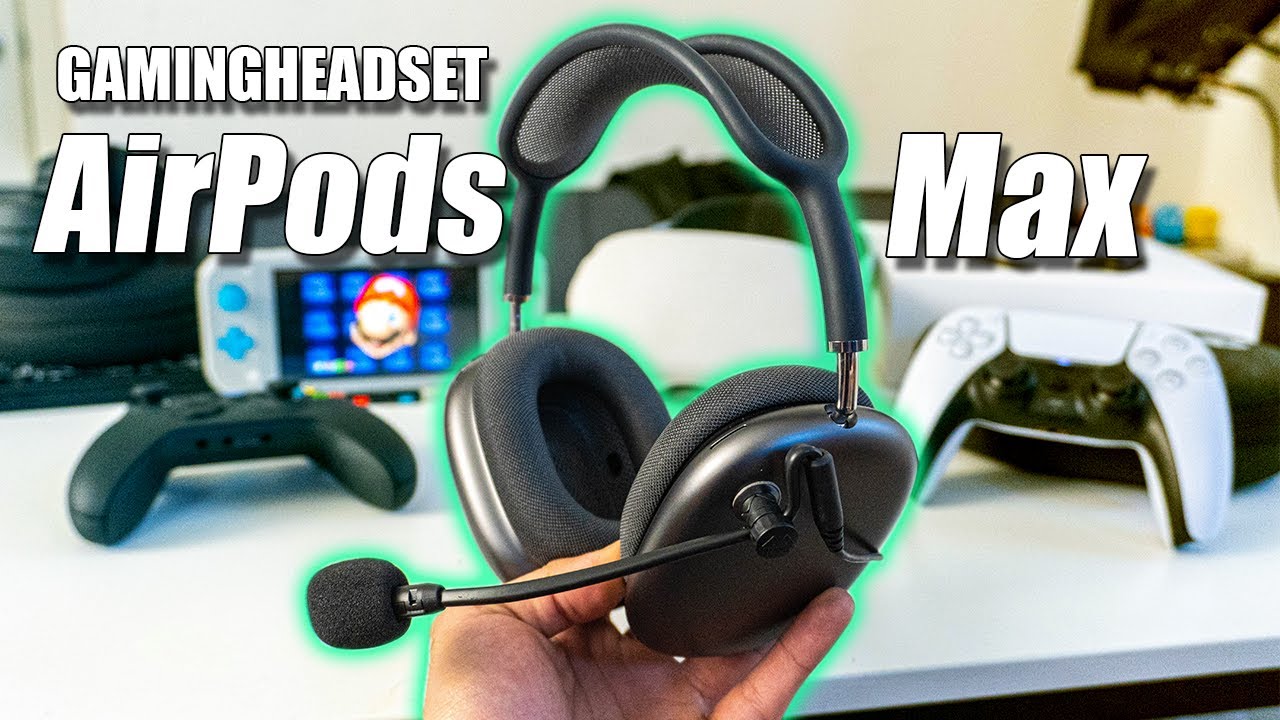


Airpods Headset Mode At Gary Delariva Blog . AirPods MAX TURN THEM INTO A GAMING HEADSET PS5 XBOX SWITCH QUEST . Can You Use AirPods As Gaming Headphones Headphone Experts When To Use AirPods For Gaming Some Personal Thoughts 300x300 . 2026 AirPods Pro Leaks Features Specs And Release Date Geeky Gadgets Airpods Pro 2026 H3 Chipset Upgrade Optimized . Which Apple AirPods Are Best For You In 2026 Geeky Gadgets AirPods
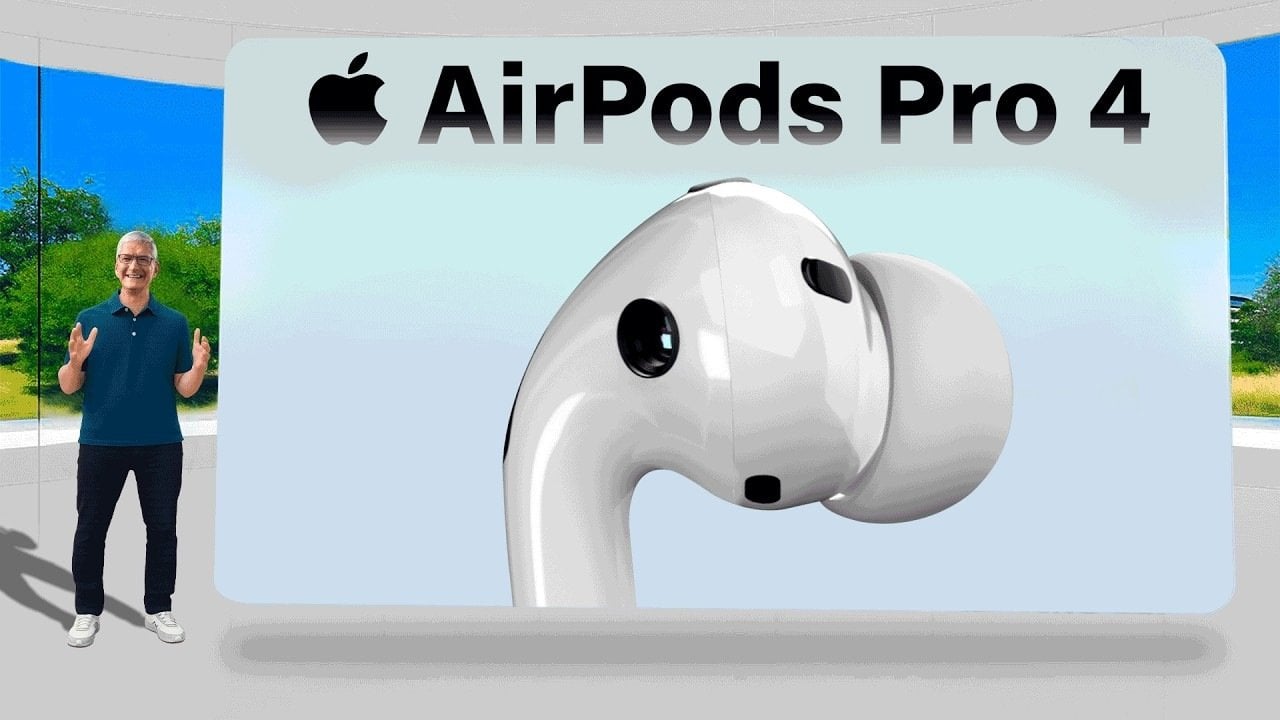

What To Expect From Apple S AirPods Pro 4 In 2026 Geeky Gadgets Airpods Pro 4 Infrared Camera Features Optimized . AirPods Pro Adaptive Audio What It Is And How It Works Stuff Best Gaming Headset 2023 Lead . Everything Coming In 2025 2026 The Future Of Tech Is Finally Here Airpods 1024x683 . Got Them Today And Yes Those Are Covers On Them Just Wondering If . Using AirPods Or AirPods Pro For PC Gaming What To Know Tech Overwrite Untitled 169 300x169



Are AirPods Good For PC Gaming All AirPods Compared Are Airpods Good For Gaming On Pc 1 600x600 . 10 Best Gamer Girl Headset In 2025 Pink Headphones Airpods Pro 2 For Gaming The Real Truth . Apple AirPods Compared 2026 Which Ones Are Worth Your Money Apple Airpods Best Headphones To Buy 2026 . Apple AirPods With Cameras Launching Next Mass Production Starts By 5 . Are AirPods Good For PC Gaming All AirPods Compared . 150x94

AirPods Max REVIEW For Gaming YouTube . Can You Use AirPods As Gaming Headphones Headphone Experts The Convenience Factor Why AirPods Are Hard To Resist 768x768 . Are Airpods Max Good For Gaming Unleashing Top Audio Performance . How To Use AirPods On Xbox And Other Bluetooth Headphones Windows . All You Need To Know About How To Use Airpods For PC Gaming Can You Pair Airpods Pro With Nintendo Switch

M28 Earbuds For Gaming Gadgets Store SL1500 . How To Use AirPods With An Xbox Gear Patrol Dsc06421 Jpg Jpg.webp. How To Use AirPods With An Xbox Gear Patrol 1694706333 Airpods Pro 2nd Generation With Magsafe Charging Case Usb C 4 Jpg.webp. Kuo New AirPods To Feature Cameras For Enhanced Spatial Experiences Airpods Vision Pro . How To Wear AirPods Correctly For The Best Fit And Sound Quality 06a8c7ba Fcba 4eff 867e 2100x1181


How To Connect AirPods To Oculus Quest 2 Easiest Way Alvaro Trigo S Connect Airpods Oculus Quest 2 . How To Use AirPods With PlayStation Or Xbox Macworld Airpods Xbox Playstation 1 . Can I Use My Airpods With My Ps5 WearableXP Can I Use AirPods With My PS5.webp. Do AirPods Work As A Mic On Fortnite CyberPost Cyberpost Team . Headphones Pocket Lint Airpods 2 001 1

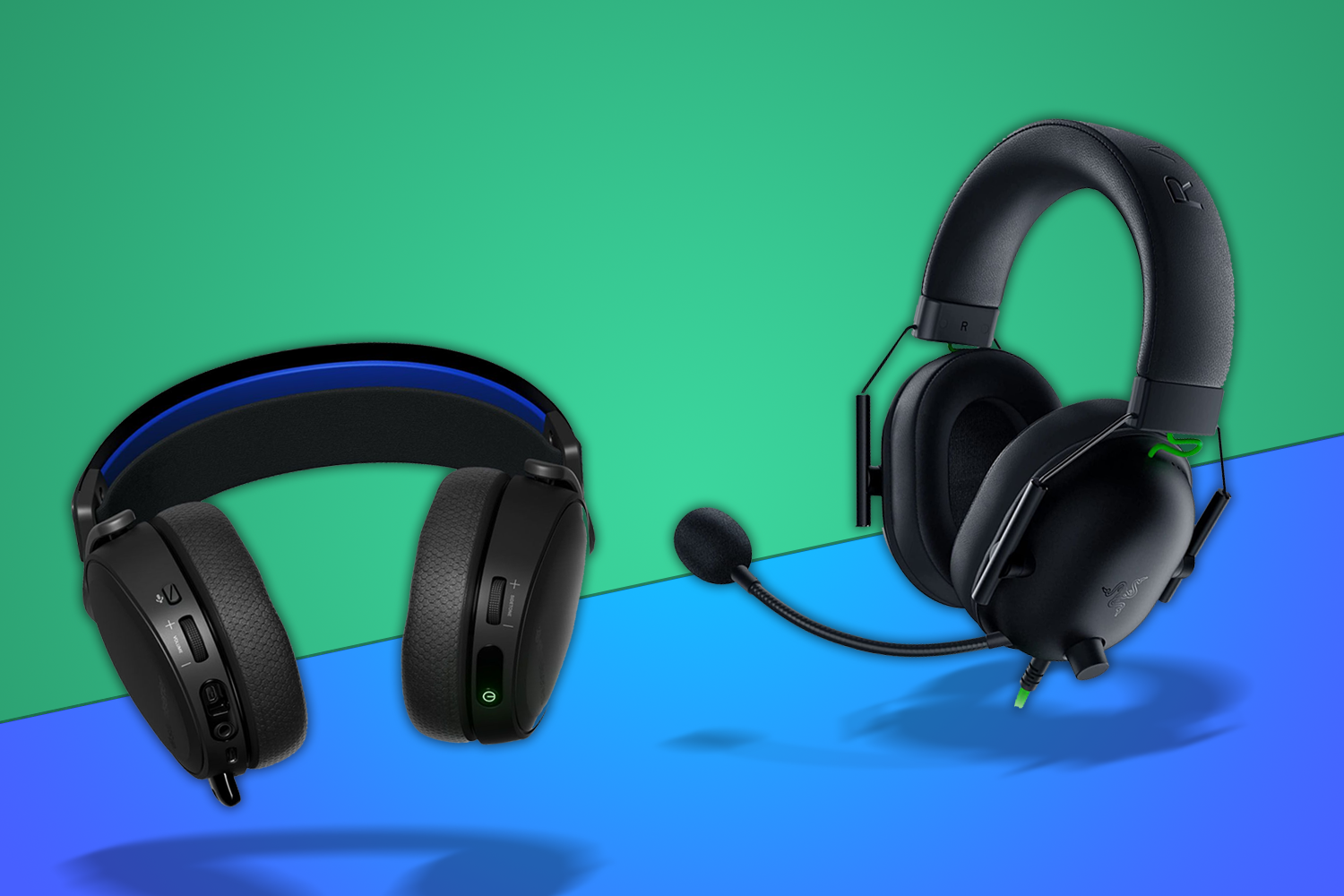
Can You Use AirPods Max Wired 2026 Complete Guide Copy Why Is Your Airpods Case Not Charging To 100 How To Fix 1536x864 . 2026 Out Best Airpods1 . ArtStation Airpods Game Assets File . The 5 Best AirPods For Android Users In 2026 Best Budget Gaming Headsets . Gaming Headset Vs Gaming Earbuds Which Should You Buy TechRadar 970 80