Are you a busy US gamer wondering how much your powerful rig truly costs to operate each month? With energy prices steadily rising and the average American spending 10+ hours weekly immersed in digital worlds, understanding how much to run a gaming PC is more crucial than ever. This comprehensive guide, crafted for Gen Z and Millennial gamers balancing work, social life, and epic quests, dives deep into the real-world expenses beyond the initial hardware purchase. We will navigate electricity consumption, smart upgrade paths, maintenance tips, and the latest trends in energy-efficient gaming. Discover actionable strategies to keep your gaming habit budget-friendly, from optimizing in-game settings to leveraging high-efficiency power supplies. Our goal is to empower you with knowledge, ensuring your passion for gaming remains a source of relaxation and connection, not financial stress. Learn how top-tier performance doesnt have to break the bank in 2026.
[{"question": "What's the actual monthly electricity cost for a typical gaming PC in 2026?", "answer": "The monthly electricity cost for an average gaming PC playing 4-6 hours daily can range from $3 to $18, depending on your local electricity rates and hardware efficiency. High-end rigs pushed to their limits might exceed this, but smart optimization can significantly reduce your bill, making those gaming sessions more affordable."}, {"question": "How much power does my high-end graphics card (GPU) really use during gaming?", "answer": "Your high-end GPU is the biggest power draw, consuming anywhere from 250 to over 450 watts during intense gaming. This figure is crucial for calculating your electricity costs and understanding why optimizing settings like frame rate caps is so effective at reducing overall power consumption without sacrificing enjoyment."}, {"question": "Are there simple tweaks I can make right now to lower my gaming PC's electricity bill?", "answer": "Absolutely! Start by capping in-game frame rates to your monitor's refresh rate, adjusting graphics settings that dont visually impact your experience significantly, and utilizing Windows' 'Balanced' power plan. These small, immediate changes can cumulatively reduce your power draw and save you money."}, {"question": "Does an expensive, high-efficiency power supply (PSU) actually save me money long-term?", "answer": "Yes, an 80 Plus Gold or Platinum rated PSU can absolutely save you money over time. It converts more electricity from the wall into usable power for your components, wasting less as heat. While the upfront cost is higher, the reduced electricity waste translates directly into lower bills, making it a smart long-term investment for dedicated gamers."}, {"question": "My PC is always hot and loud. Does that mean it's using more power?", "answer": "Yes, generally. A hot and loud PC indicates components are working harder, which often means they are drawing more power, and fans are spinning faster to compensate. This reduced efficiency costs you more. Regular cleaning to remove dust and optimizing cooling solutions can help your system run cooler, quieter, and more efficiently, saving electricity."}, {"question": "Is it worth undervolting my GPU or CPU to reduce power consumption?", "answer": "Yes, undervolting is a highly effective way to reduce power consumption and heat output without significantly impacting performance. By delivering slightly less voltage, your components still perform well but run cooler and draw less electricity, translating into noticeable savings on your power bill and potentially extending hardware lifespan."}, {"question": "How do I know if my gaming PC's power usage is excessive compared to other gamers?", "answer": "To gauge if your PC's power usage is excessive, use a Kill-A-Watt meter to measure real-time power draw and compare it against average benchmarks for similar hardware configurations found on reputable tech review sites. Factors like your specific components, game settings, and monitor setup all influence your total wattage, giving you a clear picture."} ]Hey fellow gamers! Ever find yourself deep into a raid, dominating in a battle royale, or just chilling with friends on Discord after a long day, and a tiny thought pops into your head: How much is all this costing me? It's a question many of us in the US are asking as we balance life, work, and our passion for gaming. With 87% of Americans identifying as gamers and the average among us clocking in over 10 hours a week, the operational cost of our beloved gaming PCs is a real concern, especially with fluctuating energy prices. Dont worry, you are not alone in wanting to keep your virtual adventures budget-friendly. This guide is your trusted friend, here to break down exactly how much to run a gaming PC and give you actionable tips to game smarter, not harder on your wallet.
How much does it truly cost to run a gaming PC daily?
The actual daily cost of running a gaming PC can vary significantly, typically ranging from $0.10 to $0.60 per day for about 4-6 hours of active gaming, not including idle time. This depends heavily on your specific hardware, how demanding the games you play are, and your local electricity rates. For example, a high-end system with a powerful GPU and CPU can draw between 300-600 watts during intense gaming sessions. If your electricity costs $0.15 per kilowatt-hour (kWh), a PC drawing 500 watts for 5 hours would cost you around $0.375 for that session. This month, many US states have seen slight increases in residential electricity rates, making efficient usage even more important.
Why do gaming PCs consume so much power compared to consoles?
Gaming PCs are designed for maximum flexibility, raw power, and upgradability, which inherently leads to higher power consumption than consoles. Consoles like the PlayStation or Xbox are closed, highly optimized systems with fixed hardware configurations that are precisely tuned for efficiency. PCs, on the other hand, feature powerful, often modular components like discrete graphics cards (GPUs) and multi-core processors (CPUs) that demand substantial power to deliver ultra-high resolutions, frame rates, and advanced graphical fidelity. Many US gamers also customize their setups with multiple monitors, RGB lighting, and high-performance cooling, all of which add to the total wattage draw.
What are the main factors influencing a gaming PC's running cost?
Several key components and habits dictate how much your gaming PC costs to run:
- Graphics Card (GPU): This is overwhelmingly the biggest power hog. A high-end GPU can consume 250-450 watts or more by itself under load.
- Processor (CPU): While less than the GPU, modern CPUs can still draw 65-200 watts, especially during demanding tasks or gaming.
- Power Supply Unit (PSU) Efficiency: An 80 Plus Gold or Platinum rated PSU is more efficient, converting more wall power into usable electricity for your components and wasting less as heat. This translates directly to lower electricity bills.
- Monitor(s): Large, high-refresh-rate, or multiple monitors add to the overall power draw. A 27-inch 144Hz monitor might use 30-50 watts.
- Peripherals: RGB keyboards, mice, headsets, and external hard drives all contribute, albeit minimally.
- Game Demands: Running graphically intensive games at max settings will push your hardware harder, increasing power consumption. Playing an older indie game uses significantly less power.
- Cooling: Fans, liquid coolers, and case ventilation all require power, though usually a small amount. Dust buildup can make fans work harder, indirectly increasing power use.
Is upgrading frequently worth the cost savings in efficiency?
Not always, but sometimes yes. For core components like GPUs and CPUs, newer generations often bring significant performance per watt improvements. For instance, upgrading from a 5-year-old GPU to a current-generation card might offer double the performance at a similar or even lower power draw. However, the initial cost of a new component can outweigh the electricity savings over several years. It is best to upgrade when you truly need a performance boost for new titles or if your current hardware is significantly inefficient. For many gamers, a two-to-four-year upgrade cycle strikes a good balance between performance, cost, and efficiency.
How to accurately calculate your gaming PC's electricity bill?
To get a precise estimate, you need three things:
- Your PC's wattage: You can estimate this by looking up the typical power draw of your GPU and CPU under load, then adding about 50-100 watts for the rest of your system (motherboard, RAM, SSDs, fans). For true accuracy, use a Kill-A-Watt meter or a smart plug with energy monitoring capabilities. Plug your entire PC setup (tower, monitor, speakers) into it to see real-time wattage.
- Hours of usage: Track how many hours per day or week you actively game.
- Your electricity rate: Find this on your utility bill, usually expressed in dollars per kilowatt-hour (kWh).
Formula: (Wattage in Watts / 1000) x Hours Used x Cost per kWh = Daily Cost. For example, (500 W / 1000) x 5 hours x $0.15/kWh = $0.375.
When should I consider a more energy-efficient power supply?
You should consider a more energy-efficient power supply (PSU) if your current one is older, has a low 80 Plus rating (like White or Bronze), or is nearing its capacity. An 80 Plus Gold, Platinum, or Titanium rated PSU can significantly reduce wasted electricity, especially under typical gaming loads (usually 50-75% of max capacity). While these PSUs cost more upfront, the savings in electricity over their lifespan can be substantial. For example, a Platinum-rated PSU can be 90% efficient at 50% load, meaning only 10% of the drawn power is lost as heat, compared to an 80 Plus Bronze which might be 85% efficient. This is a smart long-term investment for any dedicated gamer.
What software and settings can reduce my gaming PC's power consumption?
You have a lot of control over your PC's power use through software and settings:
- Frame Rate Limiting: Cap your in-game frame rate to your monitor's refresh rate or slightly above it (e.g., 60fps, 120fps, 144fps). Your GPU will work less intensely if it doesn't need to render hundreds of frames per second that your monitor cant display, saving significant power.
- In-Game Graphics Settings: Lowering settings like Anti-Aliasing, shadows, and global illumination from Ultra to High or even Medium can dramatically reduce GPU load and power draw without a huge visual impact. Experiment to find your sweet spot.
- Windows Power Plans: Set your Windows power plan to 'Balanced' or even 'Power Saver' when not gaming intensely. You can switch to 'High Performance' or 'Ultimate Performance' when you need it, or use custom profiles.
- NVIDIA Control Panel / AMD Radeon Software: Utilize driver-level settings to optimize power. For example, in NVIDIA, set 'Power management mode' to 'Optimal power' or 'Adaptive'. AMD offers similar 'Radeon Chill' or 'Power Efficiency Toggle' features.
- Undervolting: This advanced technique involves reducing your GPU or CPU's voltage while maintaining stability and often performance. It can significantly cut power consumption and heat output, leading to a cooler, quieter, and cheaper-to-run system. Tools like MSI Afterburner or your motherboard's BIOS/UEFI allow for this.
- Monitor Settings: Enable your monitor's sleep mode after inactivity. Consider reducing screen brightness slightly as higher brightness uses more power.
Who benefits most from optimizing gaming PC power usage?
Anyone who spends significant time on their PC benefits, but especially:
- Frequent Gamers: If you are part of the US demographic gaming 10+ hours a week, those small daily savings add up fast.
- Streamers and Content Creators: Running a gaming PC, multiple monitors, and streaming peripherals for hours on end can be costly. Optimization directly impacts your overhead.
- Budget-Conscious Gamers: In an era where in-game purchases and new game releases can strain budgets, saving on electricity leaves more cash for what you truly want.
- Environmentally Aware Gamers: Reducing your PC's power footprint contributes to a greener lifestyle, aligning with growing trends in sustainable tech.
Where can I find reliable data on component power usage?
Reliable power usage data for PC components is crucial for informed decisions. Start with independent tech review websites like TechPowerUp, Gamers Nexus, Hardware Unboxed, or Tom's Hardware. These sites often perform detailed power consumption benchmarks for GPUs and CPUs under various loads. Manufacturer specifications sheets for PSUs also list efficiency curves and ratings. Remember that listed TDP (Thermal Design Power) for CPUs and GPUs is an indicator but not always the exact maximum power draw from the wall.
How does cooling affect power consumption and cost?
Cooling directly impacts efficiency. When components like your GPU and CPU run hot, they can become less efficient and may draw more power to maintain performance. Effective cooling, whether through air coolers or liquid solutions, helps keep temperatures down. This prevents thermal throttling, where components reduce their speed to avoid overheating, and allows them to operate more efficiently. Keeping your case and component heatsinks clean of dust is paramount, as dust acts as an insulator, hindering heat dissipation and making your fans work harder, which in turn uses more power.
Are there green gaming trends impacting running costs?
Absolutely! The gaming industry is increasingly recognizing its environmental footprint. Trends like cloud gaming (where powerful servers handle the processing), more energy-efficient hardware designs (e.g., NVIDIA's recent RTX 40-series offering significant performance per watt gains), and software optimizations are all pushing towards greener gaming. This month, we've seen more discussions around eco-friendly PC builds and even game developers implementing power-saving options within their titles. As gamers, our collective choices can drive this trend further, making it cheaper and more sustainable to enjoy our favorite virtual worlds.
Comprehensive FAQ Section
Does leaving my gaming PC on idle cost a lot of money?
Leaving your gaming PC on idle typically consumes far less power than active gaming, usually around 50-100 watts depending on your components and monitors. While not as costly as gaming, it still adds up over time. Using sleep mode or shutting down when away for extended periods is more energy-efficient, especially if your local electricity rates are high. Many US gamers leave their PCs on for quick access or downloads, but it's worth weighing the convenience against the minimal but consistent cost.
What about my monitor's power consumption? Does it make a big difference?
Yes, monitors do contribute to your overall power bill. A single 27-inch 144Hz gaming monitor can draw 30-50 watts, and if you have a dual-monitor setup, that doubles. Enabling automatic sleep modes, reducing brightness when appropriate, and powering off monitors when stepping away for longer periods can contribute to savings. OLED monitors, while stunning, can sometimes have higher peak power draw than LCDs for certain content, so it's good to check specs.
Is it cheaper to game on a gaming laptop than a desktop PC?
Generally, gaming laptops are more energy-efficient than high-end gaming desktops. Their components are designed to be compact and draw less power due to thermal and battery constraints. However, they offer less raw performance per dollar and are less upgradeable. While a laptop might have lower operational costs, the initial purchase price can be higher for comparable performance, and repairs can be more expensive. For the average US gamer balancing portability and power, a laptop can be a great, more energy-conscious choice for casual to mid-tier gaming.
How often should I clean my PC to reduce running costs?
You should aim to clean your gaming PC thoroughly every 3-6 months, or more frequently if you live in a dusty environment or have pets. Dust buildup clogs fans and heatsinks, reducing cooling efficiency. This forces your components to run hotter, making fans spin faster and consuming more power to maintain stable temperatures. A clean PC runs cooler, quieter, and more efficiently, directly impacting your electricity bill and extending hardware lifespan.
Are smart plugs useful for monitoring and controlling my gaming PC's power?
Yes, smart plugs with energy monitoring features are incredibly useful! They allow you to see exactly how much power your entire PC setup (including monitors and peripherals) is drawing in real-time. Many also let you set schedules to turn off your PC automatically or remotely cut power, preventing idle power drain (vampire drain) when you're away. They offer a simple, non-invasive way to track and manage your gaming rig's electricity consumption, empowering you to make data-driven decisions about your usage.
What's the best time to buy components for efficiency and savings?
The best time to buy components for efficiency and savings is typically when a new generation of hardware has just launched or is about to launch. This often drives down prices of the previous generation, which might still offer excellent performance per watt. Black Friday, Cyber Monday, and Amazon Prime Day are also prime times for deals. Keeping an eye on tech news and reviews (like those from reputable sources many US gamers trust) for performance-per-watt metrics in new releases will help you identify the most efficient upgrades without overspending on the latest bleeding-edge tech if it doesnt offer significant efficiency gains.
Does cryptocurrency mining impact gaming PC running costs, even if I'm not doing it?
While you might not be actively mining cryptocurrency, the past popularity of crypto mining significantly impacted the GPU market, driving up prices and sometimes causing supply shortages. This made it harder and more expensive for gamers to acquire components, indirectly affecting the initial cost of building an efficient PC. While mining activity has generally decreased, its legacy means that high-performance GPUs, essential for gaming, are still designed with substantial power capabilities. Your running costs are only directly impacted if *you* are mining, as it's an extremely power-intensive process.
Can cloud gaming truly reduce my personal PC running costs?
Absolutely, cloud gaming services like GeForce NOW or Xbox Cloud Gaming can drastically reduce your personal PC running costs. Instead of your local PC doing the heavy lifting, a remote server streams the game to you. Your PC acts mostly as a display terminal, consuming minimal power. While you pay a subscription fee, it eliminates the need for expensive hardware upgrades and significantly lowers your electricity bill from gaming. This is a growing trend in the US, offering access to high-fidelity gaming without the high upfront or operational costs of a powerful local rig, perfect for gamers balancing budget and desire for top-tier experiences.
What role does game optimization play in power consumption?
Game optimization plays a crucial role. Well-optimized games run more efficiently on your hardware, demanding less power to achieve good frame rates. Poorly optimized games, on the other hand, can needlessly stress your GPU and CPU, leading to higher power draw and more heat. Game developers are increasingly focusing on power efficiency, especially for popular titles that attract a wide range of PC specifications. Always ensure your game and graphics drivers are up-to-date, as patches often include performance and efficiency improvements.
Are there specific tools to help me undervolt my GPU or CPU safely?
Yes, for GPUs, MSI Afterburner is the most popular and user-friendly tool for undervolting NVIDIA and AMD cards. It allows you to adjust voltage and clock speeds in a graphical interface. For CPUs, Intel Extreme Tuning Utility (XTU) or AMD Ryzen Master are official utilities that allow some undervolting within Windows. For more granular control, you'll need to dive into your motherboard's BIOS/UEFI settings. Always proceed cautiously, making small adjustments and stress-testing for stability to avoid system crashes. There are numerous online guides and communities (like those on Reddit) that can walk you through the process safely.
Does having lots of RGB lighting significantly increase power usage?
While RGB lighting does consume power, its impact on your overall electricity bill is generally negligible compared to the GPU and CPU. Most RGB components (fans, RAM, strips) draw very little power, typically a few watts each. Even with a fully lit-up system, you're likely talking about an additional 10-30 watts at most. If you're truly penny-pinching, you can turn off or dim your RGB, but for most gamers, the aesthetic pleasure is worth the minor power draw.
How does balancing gaming with life and work influence PC running costs?
Balancing gaming with life and work directly influences your PC running costs by affecting your usage patterns. Busy adults who game to unwind, socialize, or escape might have shorter, more intense sessions, or might leave their PC on idle more often. Understanding your personal usage habits is key. If you game for fewer but longer stints, optimizing in-game settings is crucial. If your PC is often idle, leveraging sleep modes or smart plugs will yield better savings. Prioritizing efficiency ensures your gaming downtime remains enjoyable and affordable, supporting your overall well-being and budget.
Phew! That was a deep dive into the costs of running your gaming PC. The world of PC gaming is incredible, offering endless adventures, competitive thrills, and social connections, especially with the cross-play and Discord integration so popular among US gamers. But understanding and managing the operational costs is essential for a sustainable hobby. By applying these tips and tricks, you can enjoy your games guilt-free, knowing you're gaming smart and saving money. Have any more questions or your own energy-saving hacks? Drop them in the comments below! Share this guide with your gaming squad so everyone can keep their wallets happy and their frames high. Happy gaming!
Electricity cost of gaming PC, power consumption optimization, hardware efficiency, smart upgrades, undervolting benefits, gaming energy saving tips, PSU efficiency ratings, cooling impact on cost.
35


Best Gaming PC Builds For 2026 Best Gaming PC Builds For 2026.webp. How Much Does It Cost To Build A Gaming PC In 2026 Full Budget Guide Low Cost PC For Gaming . Best Prebuilt Gaming PC 2026 1440p 4k Budget Best Gaming PC . PC Project 2026 Where To Start With Building Your Own Gaming PC CCL CCL 667 BLOG BUILD GUIDE 1980x1080 . Why Desktop PC Prices Are Rising In 2026 And How To Still Get A Good Deal New Year Desktop PC Deals 2026 Main


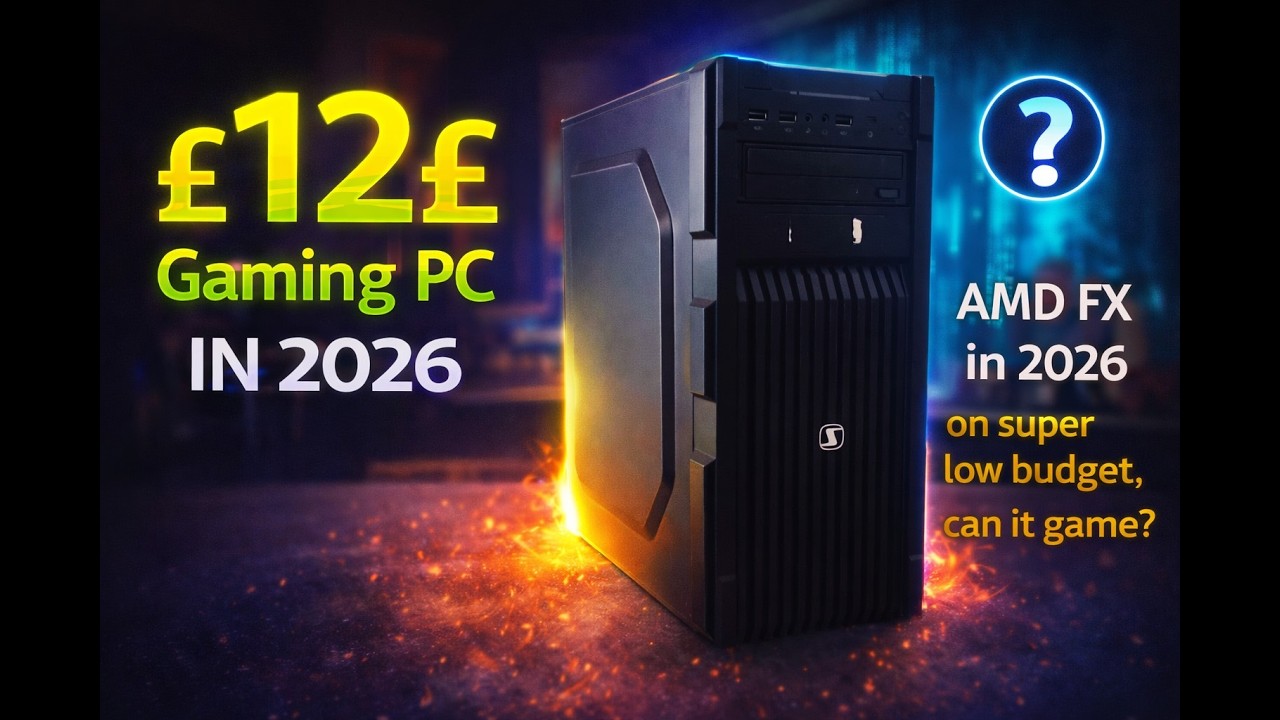
What Gaming PC Can Run In 2026 Minimum Specs For Popular Games What Gaming Pc Can Run 2026 . Best Budget Gaming PC Builds For 2026 500 800 . Best Graphics Cards In 2026 I Ve Tested Pretty Much Every AMD And . How Much Is A Normal Gaming PC What Is The Cost . 12 AMD Gaming PC In 2026 Is It Any Good YouTube


How Much Does It Cost To Build A Gaming PC Budget Allocation 1 1024x576 . The Best Gaming PC Of 2026 Top Prebuilt Desktops Gaming Pc . How Much To Build A Gaming PC 2026 Complete Cost Guide Photo. How Much Does It Cost To Build A Gaming PC In 2026 Full Budget Guide Best Cooling Pc Gaming 768x384 . How Much RAM For A Gaming PC In 2026 8 16 Or 32 GB US Buyer Guide Gaming Tower Promo

How Much To Build A PC In 2026 Real Cost Guide Pexels Photo 18338405 . How Much Does It Cost To Build A Gaming PC In 2026 Photo. Budget Gaming PC Build 2026 How To Build Without Overpaying For RAM 20260402 1738 Image Generation Simple Compose 1024x683 . How Much Does A Mini PC Cost PC Build Advisor Screenshot 2026 01 13 At 7.41.08 PM 972x1024 . How To Choose The Right Gaming PC In 2026 Complete Guide Complete Guide 1200x675

Best Gaming PC For Competitive Gaming 2026 Hardware Guide The Best Gaming PC For Competitive Gaming 2026 Performance Guide.webp. Best Gaming PC Under 50000 In March 2026 Gaming PC Mar 55k . Best Budget Gaming Setup In 2026 Full Guide For Beginners Budget Friendly Gaming Setup In 2026 . What Was The Top PC Gaming Experience Best PC For Gaming 2024 1024x576 . Best Budget Gaming PC Build In India For 2026 Affordable Rs 30 000 Best Budget Gaming PC Build In India For 2026 854x503



How Much Does It Cost To Build A Gaming PC In 2026 How Much Does It Cost To Build A Gaming Pc 1 . Top 10 Best Desktop Computers 2026 For Home Office And Work Lenovo Legion Tower 7i 2026 High Performance Desktop Computer With RGB Lighting Featured In. Can You Really Build The Best 500 Gaming PC The Budget Gaming Pc 2026.webp. Best Budget Gaming PC Builds For 2026 500 800 Best Budget Gaming PC Builds For 2026.webp. How Much For A PC Gaming Setup Cost Top 3 Gaming Laptops Of 2026 - The Ultimate Guide


Best Gaming PC Build 2026 Top Picks For Every Budget PC Game Haven Gaming PC Build For 600 . How To Build A Gaming PC In 2026 Complete Beginner Guide How To Build Gaming Pc 2026 . 6 Best Desktop Computers 2026 YouTube . The Price Of Being A Gamer How Much Money Do We Need To Spend To Build 1 US Price Of Being A Gamer . The Ultimate Gaming PC Build 2026 Guide By Xidax 1 Unnamed