What are the Must-See American Sites?
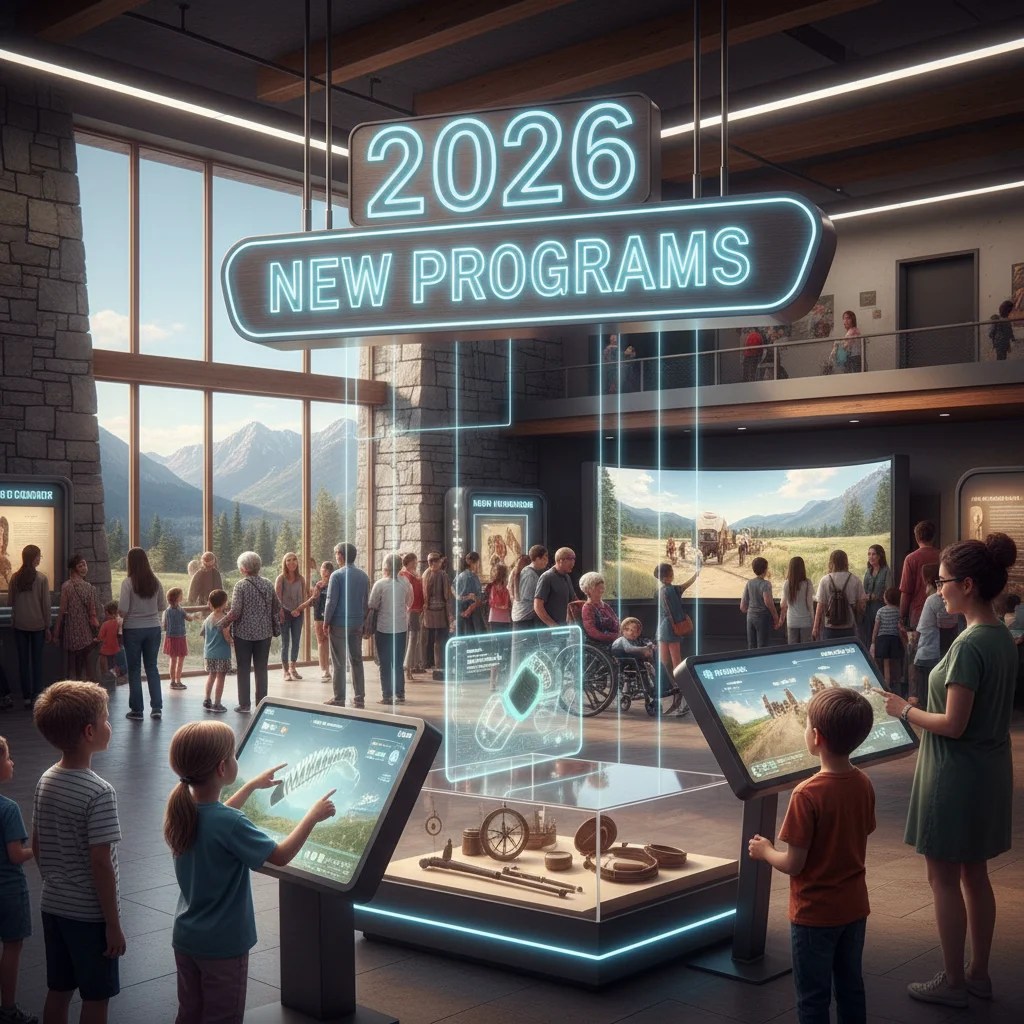
Discover the vibrant essence of the United States by exploring its most iconic american sites, from historical landmarks to breathtaking natural wonders. This comprehensive guide unveils destinations that captivate and inspire, offering invaluable insights for both first-time visitors and seasoned explorers. We dive deep into national parks, metropolitan marvels, and cultural hubs, revealing unique aspects that define the American experience. Plan your next unforgettable journey across diverse landscapes, uncovering hidden gems and celebrated attractions that truly embody the spirit of the nation. Whether you seek adventure in vast wilderness or cultural immersion in bustling cities, our expertly curated recommendations highlight the best american sites, ensuring your travel plans are rich with memorable experiences. Prepare to embark on an incredible exploration of America's heritage and natural beauty, ensuring every stop on your itinerary adds depth to your understanding of this remarkable country. Find out why millions flock to these treasured american sites each year.
What are the top 5 historical American sites?
The top 5 historical american sites include Independence Hall in Philadelphia, where both the Declaration of Independence and the U.S. Constitution were debated and adopted. The Statue of Liberty and Ellis Island in New York harbor represent immigration and freedom. The National Mall and Memorial Parks in Washington D.C. honor pivotal leaders and events. Old North Church in Boston played a crucial role in the American Revolution. Also, the Alamo in San Antonio symbolizes a key moment in Texas's fight for independence.
Why are national parks considered vital american sites?
National parks are vital american sites because they preserve immense biodiversity, awe-inspiring natural landscapes, and significant cultural histories for future generations. They offer unparalleled opportunities for recreation, scientific research, and environmental education. These protected areas, like Yellowstone, Yosemite, and Zion, support critical ecosystems and showcase America's commitment to conserving its natural heritage. Their grandeur draws millions, reinforcing a deep national appreciation for wild spaces and outdoor exploration across the United States.
Where can I find diverse cultural experiences among american sites?
Diverse cultural experiences abound among american sites, particularly in cities like New York City, celebrated for its global influences and vibrant arts scene, including Broadway and countless museums. New Orleans offers a rich blend of French, African, and American cultures with its unique music, cuisine, and architecture. Los Angeles showcases Hollywood's entertainment industry alongside a thriving Latin American cultural presence. Additionally, Native American heritage sites across the Southwest provide profound insights into indigenous cultures and traditions, enriching visitors' understanding of American diversity.
How old is the oldest continuously inhabited American site?
Acoma Pueblo in New Mexico is often cited as the oldest continuously inhabited american site, with a rich history spanning over 800 years. Perched atop a mesa, it offers a deep connection to Native American culture and traditions, enduring through centuries. This remarkable site, known as "Sky City," provides a living testament to ancestral Puebloan life and ingenuity. Visitors can explore its ancient dwellings and learn about the community's profound resilience and cultural continuity, making it a truly unique historical gem among american sites.
Is it possible to visit historical and natural american sites on one trip?
Absolutely, combining historical and natural american sites on a single trip is very feasible and highly recommended for a comprehensive US experience. For instance, a trip through California could include exploring historical missions and then experiencing the natural grandeur of Yosemite National Park. Similarly, a journey across the East Coast might blend visits to Colonial Williamsburg with hiking in the Appalachian Mountains. Strategic planning allows travelers to craft itineraries that seamlessly integrate diverse attractions, offering a rich tapestry of America's past and present natural beauty.
- american sites
- iconic US landmarks
- national parks America
- historical attractions USA
- must-see destinations
- cultural heritage sites
- travel United States
- famous places America
Key Highlights
Iconic American landmarks, must-visit US attractions, national park adventures, historic American sites, vibrant city experiences, cultural American hubs, diverse American landscapes, quintessential American journeys
Discover Historic U S Sites New Interpretive Programs For 2026 Top 2026 Most Visited In USA AI SEO Impact Llmrefs Image Places To Visit The 2026 Worlds Times 2026 Hidden Gems Baltimore Atlanta Philadelphia US City Breaks Emerging Destinations 2026 A Map Of All 2026 World Cup That Will Be Hosted North Cant Wait 2026 Such Great Venue Host V0 LO2XML7JE87A1 2026 V0 LO2XML7JE87A1 Major Sporting Events 2026 Complete Calendar FIFA 2026 Cities And Stadiums Full Guide 2026 Experience 2026 An RV Road Trip 2026 Locations 2026 UNESCO Heritage 2026 Wall Calendars Com 202600008509 ALT1 202600008509 ALT1 America 2026 Attachment Social 2026 Best Go 2026 Cond Nast Traveler Gettyimages 1425720070 Site Stamp 1425720070 Surprising Search 2026 2026 Year At Glance Global Screenshot 2025.
2026 AVS Festival Site Search Proposals Due Jan Welcome To The Where Will 2026 Be 2026 Fifa World Cup 2026 Sedes 2026 Hosts Map Soccer Football 2026 Maxresdefault 2026 Teams Location Selection Format Britannica 2026 2026 Plan Your America 250 Trip Road Tips For 2026 250 2026 Pull Over And Let Me Out RHD779EFDIMR2K2WGUYH22KRSKKPVO9MHUMYDFMU1O 250 2026 RHD779EFDIMR2K2WGUYH22KRSKKPVO9MHUMYDFMU1O Best Defenders Fantasy 2026 Top Picks 2026 Host Cities 2026 Places Travel In 2026 Images DIA 2026 Global Annual Meeting CTI Exchange Ctix Thumbnails ACE 2026 ZENNER International 2026 LA 2026 Iran Participate How Has Entered Political HD GRABS 0001 Layer 0001 2026 Contractors On Sponsor American CAN JUN2026 Selling Vehicles So Far 2026 CW39 Houston Chatgpt Image Jun 2026 PM E1783097751456 2026 E1783097751456.
2026 Painesville Event Calendar Released News Updates OH 2026 Primerus Global Conference 2026 Save The Date 2026 American Dairy Science Association Meetings 2026 Annual Meeting Adsa 2026 Website Banner 2026 Where Will Teams Stay Official Base Camps For 2026 FIFA World Cup Team Camp 2026 USA Canada And Mexico 2026 Coherent Named To Forbes 2026 America S Best Companies List 2026 Company 2026 Step Into Magic Of Shaker Woods Festival 2026 A Must See 2026 Great Fall Foliage 021826 Map 2026 021826 Olympics 2026 Gettyimages 2259656792 I Visited Endangered Sites May Be Gone By 2026 WE3TRAVEL 2026 2026 United States Aligns With Other Nations Unite At SITE NITE North 2026 Monuments Day 2026 Theme HD Free Download 2026 O1LX 2026 O1LX.
Frequently Asked Questions
-
What are the most popular historical American sites?
The most popular historical american sites include the Statue of Liberty in New York, Independence Hall in Philadelphia, and the National Mall in Washington D.C. These landmarks draw millions of visitors annually, offering profound insights into the nation's foundational history and struggles for freedom. They stand as powerful symbols of American ideals and resilience, making them essential stops for history enthusiasts exploring the United States.
-
Which American sites are best for nature lovers?
Nature lovers should prioritize american sites such as Yellowstone National Park, renowned for its geysers and wildlife, and the Grand Canyon, offering unparalleled geological grandeur. Yosemite National Park's towering sequoias and majestic waterfalls, along with Zion National Park's stunning slot canyons, also provide unforgettable experiences. These protected wilderness areas showcase the incredible natural diversity and scenic beauty across the United States, perfect for outdoor adventures.
-
Are there any free american sites to visit?
Yes, many significant american sites are free to visit, making them accessible to everyone. The National Mall and its monuments in Washington D.C., including the Lincoln Memorial and Washington Monument, are entirely free. Numerous beaches along the American coastlines, like those in California or Florida, also offer free public access. Many national forests and scenic drives provide stunning views without an entry fee, allowing budget-conscious travelers to explore America's beauty.
-
What cultural experiences do major american sites offer?
Major american sites offer rich cultural experiences, from New York City's Broadway shows and world-class museums to New Orleans' vibrant jazz scene and unique Creole cuisine. Los Angeles showcases its diverse entertainment industry and artistic communities. San Francisco is famous for its eclectic neighborhoods and innovative spirit. These urban hubs provide immersive encounters with America's dynamic arts, music, culinary traditions, and diverse ethnic influences, defining distinct cultural identities across the nation.
-
How can I plan a road trip to see multiple American sites?
Planning a road trip to see multiple american sites involves selecting a region, like the Southwest or East Coast, and mapping out a logical route. Utilize online mapping tools to estimate travel times between national parks, historical landmarks, and cities. Prioritize key destinations and book accommodations in advance, especially during peak seasons. Factor in plenty of time for exploration and unexpected discoveries, ensuring a flexible and enjoyable journey through America's diverse landscapes and attractions.
-
What are emerging american sites gaining popularity?
Emerging american sites gaining popularity often include revitalized urban districts like Detroit's comeback story, showcasing new art and culinary scenes. Areas focusing on agritourism or specific regional heritage, such as the bourbon trails in Kentucky, are also drawing increased interest. Additionally, less-visited national monuments and state parks are seeing a surge as travelers seek unique, less crowded experiences. These destinations offer fresh perspectives on America's evolving landscapes and cultural narratives.
What Defines the Most Iconic American Sites to Visit?
The most iconic american sites are defined by a compelling blend of historical significance, natural splendor, and cultural impact, drawing millions annually. These locations, ranging from monuments like the Statue of Liberty to vast natural parks such as the Grand Canyon, offer unparalleled insights into America's heritage and breathtaking landscapes. They represent pivotal moments, artistic achievements, and geological wonders that shape the national identity.
Venturing across the United States reveals a diverse collection of destinations, each holding a unique piece of the nation's story. These prominent american sites capture imaginations, offering more than just scenic views or historical facts. They provide immersive experiences that connect visitors to the very fabric of American culture and its enduring legacy.
From the bustling streets of New York City to the serene vistas of California's coast, the variety among american sites is truly astounding. Travelers can explore revolutionary battlefields, majestic mountain ranges, vibrant cultural districts, and groundbreaking scientific institutions. Each location contributes to a rich, evolving narrative that continues to draw global interest, defining America's unique appeal.
| Category of American Sites | Description | Example Site |
|---|---|---|
| Historical Landmarks | Preserve pivotal moments and figures in US history. | Liberty Bell, Philadelphia |
| Natural Wonders | Showcase America's diverse and stunning landscapes. | Grand Canyon, Arizona |
| Cultural Hubs | Represent centers of art, music, and innovation. | Broadway, New York City |
| National Parks | Protected areas of ecological and scenic importance. | Yellowstone National Park |
| Metropolitan Centers | Bustling cities known for iconic architecture and lifestyle. | Times Square, New York |
When considering prominent american sites, it is impossible to overlook the profound impact of historical landmarks. Places like Washington D.C.'s National Mall offer a powerful walk through key moments that shaped American democracy. Visitors can stand where monumental decisions were made, feeling the weight of history unfold. These sites are crucial for understanding the nation's journey and its foundational principles.
Equally compelling are America's natural wonders, which provide an unparalleled escape into breathtaking wilderness. The majestic scale of the Rocky Mountains or the unique ecosystems within Everglades National Park highlight nature's raw beauty. These expansive american sites encourage outdoor adventure and offer serene reflection. They remind us of the continent's pristine, untamed landscapes.
For those seeking cultural immersion, the urban american sites pulse with artistic energy and diverse communities. Cities like New Orleans, with its vibrant jazz scene and distinct culinary traditions, offer a sensory feast. Chicago's architectural marvels and world-class museums also stand out. These urban areas reflect the ongoing evolution of American identity and creativity.
The innovation and spirit of exploration found across various american sites also draw significant attention. Silicon Valley, for example, represents the cutting edge of technological advancement, while NASA's Kennedy Space Center embodies humanity's reach for the stars. These dynamic locations inspire future generations to dream big. They showcase America's forward-thinking mindset and drive.
| Key Insight Area | Impact on American Identity | Prominent Example |
|---|---|---|
| Historical Understanding | Shapes national narrative, provides context. | Independence Hall |
| Natural Preservation | Highlights ecological diversity, promotes conservation. | Yosemite Valley |
| Cultural Expression | Fosters artistic development, showcases diversity. | Museum Mile, NYC |
| Innovation & Progress | Inspires future advancements, demonstrates ingenuity. | Space Center Houston |
Navigating the sheer volume of remarkable american sites can feel overwhelming for many travelers. Prioritizing destinations based on personal interests, whether history, nature, or urban exploration, proves helpful. Online travel guides and local tourism boards provide valuable resources for crafting an ideal itinerary. Mapping out a cohesive route can maximize the experience.
Many popular american sites offer guided tours and interactive exhibits that enrich the visiting experience. Engaging with these resources can deepen understanding and appreciation for each location's significance. Checking official websites for operational hours and ticketing information before arrival is always a smart move. Some sites require advance reservations, especially during peak season.
Beyond the well-trodden paths, numerous lesser-known american sites offer unique charm and fewer crowds. Exploring regional heritage areas or local historical societies can uncover unexpected treasures. These hidden gems often provide an authentic glimpse into local life and regional stories. Embracing spontaneous discoveries can lead to truly unforgettable travel memories.
| Travel Planning Aspect | Recommendation | Benefit |
|---|---|---|
| Prioritization | Match sites to personal interests. | Enhanced enjoyment, focused experience. |
| Resource Utilization | Use official guides and tourism boards. | Accurate information, better planning. |
| Logistics | Check hours and book tickets in advance. | Smooth visit, avoid disappointment. |
| Exploration | Discover local, off-the-beaten-path american sites. | Unique insights, authentic experiences. |
How Do American Sites Reflect National Identity?
American sites profoundly reflect national identity by encapsulating core values, historical narratives, and the diverse fabric of its people. From monuments symbolizing freedom and democracy to natural landscapes representing exploration and resilience, each site tells a part of the greater American story. They serve as tangible reminders of past struggles, triumphs, and the ongoing evolution of a unified yet diverse nation, shaping how both citizens and the world perceive the United States.
National identity isn't just about flags or anthems; it's deeply woven into the physical spaces and historical landmarks that define a country. In the United States, places like the Lincoln Memorial stand as powerful testaments to ideals of equality and justice, echoing sentiments of unity forged through division. These sites become common ground, fostering a shared sense of belonging and collective memory among citizens from diverse backgrounds.
Consider the Statue of Liberty, an american site that immediately evokes images of immigration, opportunity, and welcoming arms. It speaks volumes about the nation's self-perception as a land of promise for those seeking new beginnings. The narratives embedded in these locations are not static; they evolve with generations, continually shaping the American story and inspiring ongoing civic dialogue about what it means to be American.
Even natural american sites contribute significantly to this identity, symbolizing the spirit of frontierism and rugged individualism. The vastness of the Grand Canyon or the towering peaks of the Rockies represent the challenges and grand scale of the American landscape. These natural wonders foster a sense of awe and adventure, reinforcing a national character often associated with exploration and a connection to the wild, open spaces.
What Unique Cultural Experiences Await at American Sites?
American sites offer an incredibly diverse tapestry of cultural experiences, reflecting centuries of immigration and regional distinctions. Visitors can immerse themselves in jazz history in New Orleans, explore cutting-edge art scenes in cities like Miami, or delve into indigenous heritage at sites across the Southwest. From Broadway theater in New York to cowboy culture in Texas, these locations showcase the nation's rich blend of traditions, artistic expressions, and culinary innovations, providing unique insights into the American way of life.
Beyond the well-known museums and concert halls, cultural american sites invite a deeper dive into local traditions. For instance, New Orleans isn't just jazz; it's a living museum of Creole and Cajun influences, evident in its architecture, festivals, and distinct cuisine. Experiencing a second-line parade offers a taste of community spirit unlike anywhere else, deeply rooted in its unique history.
Similarly, exploring Native American cultural centers and historical villages, especially in states like Arizona and New Mexico, provides invaluable perspectives. These american sites offer workshops, traditional dances, and art exhibitions that highlight the enduring legacy and spiritual depth of indigenous peoples. It's a humbling opportunity to learn about ancient wisdom and resilient communities often overlooked in mainstream narratives.
Even smaller towns and regional festivals contribute significantly to the cultural mosaic of american sites. Think of the unique German heritage found in places like Fredericksburg, Texas, or the vibrant Scandinavian traditions celebrated in Minnesota. These local expressions of culture add layers of authenticity and charm, proving that America's cultural richness extends far beyond its major metropolitan centers, offering surprising discoveries at every turn.
How Have American Sites Evolved for Accessibility in 2026?
American sites have made substantial strides in accessibility by 2026, incorporating advanced infrastructure and inclusive services to welcome all visitors. National parks now offer more accessible trails, interpretive programs, and updated facilities. Major historical landmarks and museums often provide adaptive technologies, such as audio guides and touch exhibits, catering to diverse needs. This ongoing commitment ensures that the beauty, history, and cultural richness of american sites are increasingly available for everyone to experience and enjoy, reflecting a more inclusive national ethos.
The push for greater accessibility at american sites isn't just about compliance; it's about enriching the experience for every individual. Many national parks have invested heavily in creating paved or boardwalk trails, allowing wheelchair users and those with mobility challenges to explore stunning natural vistas. Accessible restrooms, parking, and visitor centers are now standard, ensuring a comfortable visit for families with strollers too.
Technological advancements also play a pivotal role in enhancing access at urban and historical american sites. Museums frequently offer detailed audio descriptions for visually impaired guests and provide sign language interpreters or video guides for the hearing impaired. Interactive exhibits are designed with varying heights and tactile elements, ensuring a multi-sensory engagement with history and art. These thoughtful additions transform visits for many, making history truly tangible.
Furthermore, many tourism organizations and site operators actively train staff in disability awareness and inclusive customer service. This human element significantly improves the visitor experience, creating a welcoming and supportive environment. As of 2026, the focus remains on continuous improvement, with new initiatives frequently being piloted to ensure that american sites remain at the forefront of inclusive tourism, reflecting a genuine commitment to serving all members of society.
What are the Future Trends for Exploring American Sites?
Future trends for exploring american sites point towards personalized, sustainable, and technologically enhanced travel experiences. Expect more virtual and augmented reality applications to enrich visits to historical landmarks and national parks, offering deeper context before and during visits. Sustainable tourism practices will become paramount, encouraging eco-friendly travel options and supporting local communities. Data-driven insights will also customize travel itineraries, suggesting unique american sites tailored to individual preferences, enhancing engagement with the nation's diverse attractions.
The evolution of technology is rapidly reshaping how we interact with american sites. Imagine using augmented reality apps at a historical battlefield to visualize events as they unfolded, or employing virtual reality tours to explore remote national park sections from home. These innovations are not just novelties; they offer deeper educational insights and broader access for those unable to travel physically. This blended approach makes the rich history and beauty of America more accessible than ever before.
Sustainability is also at the forefront of future tourism trends for american sites. Visitors are increasingly seeking eco-conscious travel options, from electric vehicle charging stations at national parks to accommodations committed to reducing their carbon footprint. Sites themselves are adopting more green practices, focusing on conservation and minimizing environmental impact. This shift supports the long-term preservation of America's natural and cultural treasures, ensuring they remain vibrant for generations to come.
Personalization, driven by AI and data analytics, will transform how travelers discover and experience american sites. Instead of generic itineraries, future travel planning will suggest bespoke journeys based on individual interests, past travels, and even real-time preferences. Whether it’s connecting obscure historical points of interest or finding hidden natural gems, this tailored approach promises a more profound and relevant exploration of the diverse attractions that the United States offers, truly making every trip unique.