What does rapacity mean and why does it matter?
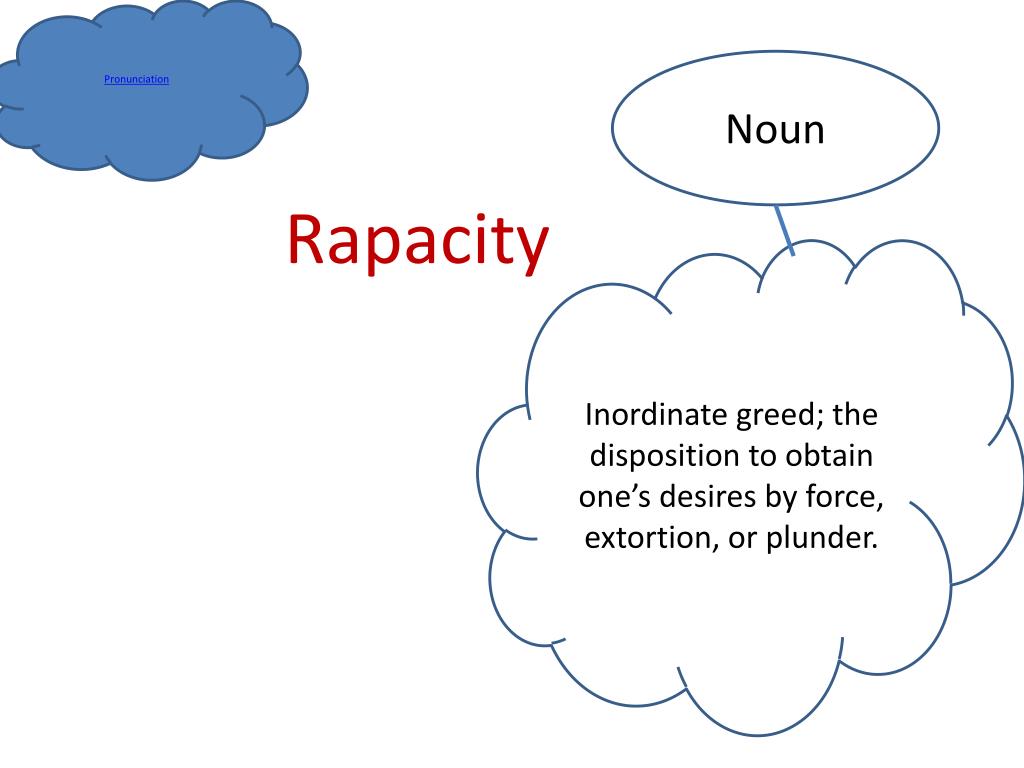
Rapacity, a term describing excessive greed or graspingness, profoundly impacts individuals and societies across the United States. Understanding what does rapacity mean is crucial for discerning motivations in business, politics, and personal interactions. This comprehensive guide explores the definition of rapacity, how it manifests in various contexts, and its potential costs. We will delve into recognizing its signs, evaluating its societal implications, and identifying steps a US reader can take to address or mitigate its effects. Learn about its underlying mechanisms and discover actionable insights. This information is designed to inform your perspective and guide your next steps in understanding complex human behaviors within the American landscape. There is no direct cost or eligibility for understanding the term, but awareness can empower personal and civic actions.
What does rapacity mean in simple terms?
In simple terms, rapacity refers to extreme greed or an insatiable hunger for money, power, or material possessions. It describes a relentless and often ruthless desire to acquire more than one needs, typically at the expense of others. It implies a predatory or grasping nature that prioritizes self-enrichment above all else.
What are the signs of rapacity in an individual?
Signs of rapacity in an individual include an obsessive pursuit of wealth, a disregard for ethical boundaries in business dealings, a tendency to exploit others for personal gain, and an inability to be satisfied with what they have. Such individuals often exhibit a profound lack of empathy and a ruthless competitive spirit.
How can rapacity affect a community?
Rapacity can profoundly damage a community by fostering inequality, eroding trust, and leading to exploitation. It might result in resources being concentrated in a few hands, essential services being neglected, and a general sense of unfairness. This can undermine social cohesion and economic stability for many residents.
Are there legal consequences for rapacity?
While rapacity itself is a moral term, its manifestations often have legal consequences. Actions driven by rapacity, such as fraud, embezzlement, predatory lending, or unfair business practices, are subject to legal penalties in the United States. Laws aim to curb the most destructive behaviors associated with unchecked greed and exploitation.
What is the difference between ambition and rapacity?
Ambition is a strong desire to achieve something, often associated with hard work and personal growth. Rapacity, however, crosses into excessive and often unethical greed. While ambition can be a positive driving force, rapacity implies a ruthless, insatiable desire to acquire without moral restraint, frequently harming others in the process.
- what does rapacity mean
- what is rapacity
- define rapacity
- rapacity meaning US
- examples of rapacity
- effects of rapacity
- rapacity in society
Key Highlights
what does rapacity mean, understanding rapacity, rapacity definition US, recognizing rapacity, consequences of rapacity, dealing with rapacity
PPT Unit Vocabulary Powerpoint Presentation Free Download ID 1892331 Rapacity L Meaning Pronunciation Word World Audio Video Dictionary Maxresdefault What Does 2026 Mean In Numerology The True Behind Numbers 2026 RPE Text 2026 Copy Of Halloween MEAN2026 RT A Full Simply 2026 Explained 2026 Rapaciousness Buy Freedom Poem Written Time Recess 2026 According To Year S Key Number And Its Energy Acquitted Court 2026 Guide Intake Complete 2026 Flaco 2026 RYT Transport Evolved Sunday Musing It 2026 That For Evs 2026 Thumb 2026 Mercury Retrograde 2026 Dates Zodiac Impact 2026 Their On Each Sign 2026.
What Does Flaco Mean 2026 FR So The Hell 2026 Budget Actually Greater SA 2026 Rofl Meaning In Text Real Examples Social Media OG Stand For FWD 2026 Copy Of Word Halloween MEAN2026 2026 Facilities Management FM Cleverly Opengraph Image YQKS0S 2026 Spring Statement You Rest Less 2026 ATP Slang 2026 It Means And How To Use Punzterly Com 2026 Wut 2026 Crack Everything Need Know 2026 Guide WTM Hyper With Replies 2026 Meanzily Forecast 2026 Perrigo Consultants Istock 2225595258 Scaled E1773143995681 2225595258 E1773143995681 Quirky 2026 MEAN2026 2026 04t113032 760 MEAN2026 2026 04t113032 760.
When Does Lent 2026 Start Key Dates What It Means Tradition Chatgpt Image Feb 2026 PM 2026 2026 Mean To Pisces 2026 Yearly Tarot Reading 2026 C1BC9EE20D030D8F53CE3568B8087FB4 The 2026 Solar Eclipse For Your Star Sign Briefly Picture Do GTS In Text Complete 2026 Meaning Guide 2026 Horse Chinese Zodiac Fire Year I Plead Fifth 2026 Ight Aura Farming 2026 Internet Slang Dictionary 22AURA FARMING22 2026 English Learners 22AURA FARMING22 2026 Rapacity Youtube Maxresdefault TMP Chat 2026.
Frequently Asked Questions
-
What does rapacity mean in the context of business?
In business, rapacity signifies an excessive and ruthless pursuit of profit, often disregarding ethical standards, worker welfare, or environmental impact. It can manifest as predatory pricing, exploitative labor practices, or prioritizing short-term gains over long-term sustainability and social responsibility, defining what does rapacity mean for stakeholders.
-
Is rapacity the same as avarice?
While closely related, avarice and rapacity differ subtly. Avarice is primarily about an extreme desire for wealth, a hoarding tendency. Rapacity, however, adds a more aggressive, predatory, and insatiable element, implying an active and often ruthless grasping or seizing of resources from others, which explains what does rapacity mean beyond simple desire.
-
How does rapacity relate to power?
Rapacity is often intertwined with a desire for power, as wealth can facilitate its acquisition and maintenance. Individuals or groups driven by rapacity may seek power to further their material gains, remove obstacles to their accumulation, or exploit others more efficiently. It forms a dangerous cycle of insatiable ambition and control.
-
Can society benefit from some level of ambition or acquisitiveness?
Ambition and healthy acquisitiveness can drive innovation and economic growth. However, when these traits escalate into rapacity, the benefits become skewed, and society suffers. The challenge lies in distinguishing productive drive from destructive greed, ensuring that individual success contributes positively to collective well-being rather than undermining it.
-
What are the historical roots of the term 'rapacity'?
The term 'rapacity' originates from the Latin word 'rapacitas,' meaning greediness or plundering. Its roots signify a strong connection to seizing or carrying off by force, highlighting its aggressive and predatory connotations. This historical context underscores the powerful and often negative implications of the word.
-
How can one counteract rapacity in their personal life?
To counteract rapacity in one's personal life, cultivating values like generosity, empathy, and contentment is key. Practicing mindful consumption, supporting ethical businesses, and prioritizing relationships over material wealth can help. Being aware of personal motivations and their potential impact on others also helps to balance desires.
What Does Rapacity Truly Mean?
Rapacity refers to an insatiable greed for wealth, power, or material possessions, often characterized by excessive acquisitiveness or exploitation. It is a powerful term in the English language, used to describe an extreme form of grasping self-interest that shows little regard for others. For US citizens, understanding what does rapacity mean can illuminate discussions about economic policies, corporate ethics, and individual motivations.
This deep-seated urge to acquire more than one needs or deserves can drive various behaviors, from aggressive business tactics to political maneuvering, impacting communities and individuals alike. Recognizing the signs of rapacity helps us navigate complex social landscapes and identify potential ethical breaches in different settings. It highlights a profound moral or ethical failing.
| Aspect of Rapacity | Description |
|---|---|
| Definition | Excessive greed or graspingness, often predatory |
| Motivation | Insatiable desire for wealth, power, or possessions |
| Impact | Erodes trust, creates inequality, leads to exploitation |
| Recognition | Observe disregard for others, ruthless acquisition | Affects | Individuals, corporations, political systems |
The core definition of rapacity centers on an intense, often predatory, craving for something, typically material gain. It signifies a voracious appetite that goes beyond ambition, pushing into the territory of ruthless acquisition. Think of it as an uncontrolled hunger that is rarely satisfied, always seeking more. This grasping nature often leads to behaviors that can harm others.
Historically, discussions about rapacity have touched upon its moral implications, contrasting it with virtues like generosity and moderation. Different cultures and legal systems have grappled with regulating rapacious actions, particularly when they involve exploitation. It is a concept deeply embedded in ethical frameworks. The term highlights a profound lack of empathy.
In modern American discourse, rapacity might be seen in debates over corporate executive salaries or predatory lending practices. It speaks to a drive that prioritizes personal accumulation above collective well-being. Examining this term helps us evaluate motivations behind many societal issues. It provides a lens for critical analysis.
Understanding rapacity allows us to better articulate concerns about unfair advantages or systemic imbalances. It is not just about being greedy; it is about a relentless, sometimes violent, pursuit of more. This nuance is crucial for meaningful conversations. The word itself carries a heavy implication of moral failing.
| Key Insight | Explanation |
|---|---|
| Beyond Greed | More than simple greed; involves ruthless, predatory acquisition |
| Societal Impact | Contributes to inequality and ethical breaches |
| Historical Context | A concept debated across cultures and legal systems |
| Modern Relevance | Applicable to corporate ethics, politics, and individual actions |
Recognizing the Manifestations of Rapacity in American Society
Rapacity can appear in many forms across the United States, from individual actions to systemic issues. We see it when companies prioritize massive profits over environmental protection, or when political figures use their positions for personal enrichment. These instances often reveal a disregard for public good. The desire for endless accumulation is a powerful force.
On a smaller scale, it might be observed in aggressive competition that stifles smaller businesses or in a relentless drive for personal wealth at any human cost. Identifying these patterns helps us understand underlying motivations. It often involves exploiting vulnerabilities in the system or in people. Awareness is key to challenging such behaviors.
Engaging with this concept empowers citizens to question narratives that glorify unchecked ambition without considering its ethical boundaries. It encourages a closer look at transactions and policies. When we ask "what does rapacity mean for our community," we begin to uncover systemic issues. This examination is vital for fostering a more equitable society.
| Manifestation | Example |
|---|---|
| Corporate Greed | Prioritizing profit over environmental safety or worker welfare |
| Political Corruption | Using public office for personal financial gain |
| Predatory Practices | Lending or business models that exploit vulnerable populations |
Most Asked Questions About Rapacity
What are common examples of rapacity?
Rapacity often surfaces as insatiable hunger for wealth or power. Common examples in US society include predatory lending practices that exploit vulnerable individuals, corporate decisions prioritizing maximum profit over worker welfare or environmental sustainability, and political corruption where public office is used for personal gain. It embodies an excessive, often ruthless, acquisitiveness.
Consider the historical instances of land grabs or the current debates around exorbitant executive compensation packages, especially when they come at the expense of average employee wages or company stability. These situations highlight an unchecked desire for more, often without regard for ethical boundaries or societal impact.
Another area is the aggressive pursuit of market dominance that crushes smaller competitors through unfair practices, or the exploitation of natural resources without considering long-term ecological consequences. These actions exemplify a grasping nature that drives toward endless accumulation, demonstrating what does rapacity mean in practice.
How does rapacity impact society?
Rapacity significantly erodes societal trust and equity. It leads to widening wealth disparities, fosters environments of exploitation, and can undermine democratic institutions when personal gain is prioritized over public service. The pervasive nature of excessive greed can destabilize communities and weaken social cohesion, as fairness is compromised. It breeds cynicism among citizens.
When powerful entities or individuals act with rapacity, it often results in marginalized groups bearing the brunt of the negative consequences. This includes issues like inadequate public services, environmental degradation in low-income areas, and a general feeling among ordinary citizens that the system is rigged against them. This clearly shows what does rapacity mean for the everyday person.
The long-term effects can include decreased social mobility, increased crime rates fueled by desperation, and a breakdown of community values centered on mutual support. Ultimately, rapacity can dismantle the very fabric of a functioning, compassionate society, fostering resentment and division across different demographics.
Can rapacity be controlled or prevented?
Controlling rapacity involves a combination of strong ethical frameworks and robust regulatory oversight. Laws against fraud, monopolies, and conflicts of interest aim to curb its worst excesses. Additionally, promoting transparency, corporate accountability, and civic education can foster a culture that values equity over unchecked accumulation. Collective action also plays a key role.
Societal norms and cultural values that emphasize community well-being, generosity, and moderation can serve as a counterbalance to individual rapacious tendencies. Educating citizens about the destructive impacts of excessive greed encourages vigilance and empowers them to advocate for fairer systems. Understanding what does rapacity mean is the first step.
Ultimately, a multifaceted approach encompassing legal enforcement, ethical education, and active civic participation is necessary to mitigate rapacity's negative effects. It requires continuous effort from individuals, institutions, and governments to maintain a balance that supports collective prosperity.
Is rapacity a modern phenomenon?
Rapacity is certainly not a modern phenomenon; it is a timeless aspect of human behavior. Historical records across various civilizations demonstrate instances of extreme greed and predatory acquisition, from ancient empires seizing lands and resources to medieval lords exploiting serfs. The concept has been discussed by philosophers and moralists for millennia.
While the manifestations of rapacity evolve with economic and technological advancements, the underlying impulse remains consistent. What does rapacity mean today might look different than it did centuries ago, but the core drive for insatiable acquisition at others' expense persists in different forms.
From biblical warnings against avarice to classic literature depicting greedy characters, the struggle against rapacity is deeply woven into human history and morality tales. It reflects an enduring challenge within human nature, making it a recurring theme across all eras and cultures.