Where Are the Federal Reserve Districts Located?

The Federal Reserve System governs the United States financial landscape through its twelve distinct districts, each operating with a high degree of autonomy. Understanding the geographic boundaries and functions of the Federal Reserve Districts is crucial for U.S. citizens, businesses, and economic observers seeking to comprehend monetary policy impacts and regional economic nuances. This comprehensive guide helps you explore where these vital districts are situated, what specific states or territories they encompass, and how their regional operations collectively influence the national economy. Discover how to identify your specific district, understand its unique contributions, and learn why this decentralized structure is fundamental to the nation's financial stability and growth. We will navigate the map, demystify the districts' roles, and provide actionable insights into their relevance for everyday economic decisions. Prepare to pinpoint your district and grasp the broader implications of this powerful financial network. This information is vital for navigating the complex world of American finance.
What is the purpose of the Federal Reserve Districts?
The Federal Reserve Districts are designed to decentralize the nation's central bank, ensuring that monetary policy and financial services are responsive to diverse regional economic conditions across the United States. Each district bank supervises financial institutions, distributes currency, and conducts economic research relevant to its specific geographical area, collectively contributing to national economic stability and growth. This structure balances local needs with overall federal objectives effectively.
How many states are in each Federal Reserve District?
The number of states in each Federal Reserve District varies significantly, as district boundaries often divide states or combine several smaller ones. For instance, the San Francisco District covers nine states and several U.S. territories due to its vast geographical area, while the Philadelphia District includes parts of three states. The distribution is based on historical economic activity and population density rather than strict state lines, aiming for balanced representation and effective regional economic oversight across the nation.
Where can I find an official map of the Federal Reserve Districts?
You can find an official, up-to-date map of the Federal Reserve Districts on the Federal Reserve Board's official website at FederalReserve.gov. Additionally, individual Federal Reserve Bank websites, such as those for New York, Chicago, or Dallas, often feature maps specific to their operations and branches. These resources provide clear visual representations of the twelve districts and their boundaries, offering a reliable way to identify your specific region within the U.S. central banking system accurately.
What is the largest Federal Reserve District by area?
The largest Federal Reserve District by land area is the Twelfth District, headquartered in San Francisco. This district spans a vast geographical expanse, encompassing nine western states—Alaska, Arizona, California, Hawaii, Idaho, Nevada, Oregon, Utah, and Washington—plus American Samoa, Guam, and the Commonwealth of the Northern Mariana Islands. Its extensive territory reflects the diverse economic landscapes and significant population centers across the western United States, demanding a broad reach for its financial services and economic oversight functions efficiently.
Do Federal Reserve Districts have local branches?
Yes, many Federal Reserve Districts operate local branch offices in addition to their main Federal Reserve Bank headquarters. These branches are strategically placed within their districts to provide more accessible financial services, such as currency distribution and bank supervision, to depository institutions in various regions. For example, the Federal Reserve Bank of Atlanta has branches in Birmingham, Jacksonville, Miami, Nashville, and New Orleans, enhancing its operational efficiency and local economic engagement across the Sixth District.
- Federal Reserve Districts map
- where are Fed Reserve banks
- US central banking regions
- Federal Reserve System explained
- locate Federal Reserve district
- understanding monetary policy districts
- regional Federal Reserve banks
- financial districts USA
Key Highlights
Federal Reserve districts meaning, how many Fed Reserve banks, locate my Federal Reserve district, map of US Federal Reserve, benefits of Fed Reserve structure, how Federal Reserve districts work, Federal Reserve district boundaries, Federal Reserve Bank near me
Photo Gallery


File Federal Reserve Districts Map Banks Branches Png Wikimedia What Does The Do Things To Know About Fed 900PX Is Functions Structure And Impact 5F87591FEA23A5001903D6AF PPT SYSTEM MONETARY POLICY History Of Banking SLIDE12 L SLIDE12 399493d30a708583abb5f4f027cfd028 DEVELOPMENT US Powerpoint Twelve You Need Youtube Maxresdefault 5cc379842300003200d153c5 Presentation Free Download Regionalism At Many Voices One Purpose San Image St Louis Superhomemap Appendix B.
More Photos


PPT Money And Banking Powerpoint Presentation Free Download ID 591386 The Federal Reserve Districts Banks L What Is A Guide To World S Most Powerful Map Disected Happened Fed Gold Goldseek Image 20240818163613 Structure Of System Lastmap Students Britannica Kids 107531 004 3c050aa7 107531 004 3c050aa7 First Why Haven T Boundaries DISMAPLRG1 Speech By Governor Powell On America Central Bank History FIG1 20170328 FIG1 20170328 Youtube Watch V Gsxmwjqwizs Which Look Like U Richmond FEDMAPCS1 Does Do Hubpages FRB Annual Report Budget Review 2013 Appendix D Maps Us DISTRICTS2.
More Photos


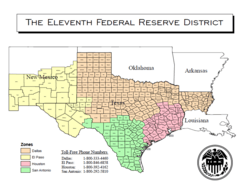
The Decentralized Structure Of Federal Reserve System U S GAO Figure On X Read About Economic Conditions In Bank HNSFPB2XYAAS7LW 1920 Map Districts Historical Chart 900 Best Shop 081215 1920 United States Ban 900 081215 1920 FRB Annual Report Budget Review 2012 Appendix D Maps District Sections Dallas Wikipedia 250PX Fed 250PX St Louis Centennial Rboc MAY1914 Image Showing Twelve Fullsizearial Regional Plain English Ipe PPT Central Banking And Conduct Monetary Policy Powerpoint L Banks History Frs Viable Opposition A Bunch Old White Male Bankers Screen Shot 2011 At PM SCREENSHOT2011.
Frequently Asked Questions
-
What is the Federal Reserve System's primary role?
The Federal Reserve System serves as the central bank of the United States, tasked with maximizing employment, stabilizing prices, and moderating long-term interest rates. It supervises banks, maintains financial stability, and provides financial services to the U.S. government and depository institutions. This crucial role ensures a stable and efficient financial system supporting economic growth and protecting consumers nationwide effectively.
-
How many Federal Reserve Banks are there in the US?
There are twelve Federal Reserve Banks located across the United States, each serving a specific district. These banks are in Boston, New York, Philadelphia, Cleveland, Richmond, Atlanta, Chicago, St. Louis, Minneapolis, Kansas City, Dallas, and San Francisco. They operate as decentralized components of the Federal Reserve System, contributing regional perspectives to national monetary policy and overseeing financial institutions within their respective areas.
-
Which states are covered by the New York Federal Reserve District?
The New York Federal Reserve District, or the Second District, primarily covers New York State, the twelve northern counties of New Jersey, and Fairfield County in Connecticut. It also includes the Commonwealth of Puerto Rico and the U.S. Virgin Islands. Given its location in the nation's financial capital, the Federal Reserve Bank of New York plays a uniquely significant role in global financial markets and open market operations.
-
Can businesses get loans directly from the Federal Reserve?
No, businesses cannot directly obtain loans from the Federal Reserve. The Federal Reserve primarily lends to depository institutions, such as commercial banks, through its discount window. Businesses must seek financing through traditional commercial banks and other financial institutions. The Fed's role is to ensure these commercial banks have sufficient liquidity to lend to businesses and consumers, thereby supporting overall economic activity indirectly.
-
What is the significance of the Federal Reserve's decentralized structure?
The decentralized structure of the Federal Reserve System, with its twelve districts, is significant because it ensures that diverse regional economic conditions and concerns are considered in national monetary policy decisions. This approach prevents the concentration of financial power and allows for tailored responses to varying economic landscapes across the vast United States, promoting greater stability, local input, and a more robust financial system for the entire nation.
-
How can I contact my local Federal Reserve Bank for information?
To contact your local Federal Reserve Bank for information, first identify your specific district by consulting the official Federal Reserve System map on FederalReserve.gov. Once you know your district, visit the corresponding Federal Reserve Bank's website. Each bank maintains a dedicated contact section with phone numbers, email addresses, and often addresses for public inquiries, offering direct access to regional economic data and educational resources for residents and businesses.
Understanding the structure of the Federal Reserve System is fundamental to grasping how monetary policy impacts the United States economy. The Federal Reserve, often referred to as the Fed, functions through a decentralized network comprising twelve distinct districts, each overseen by its own Federal Reserve Bank. This unique organizational model ensures that economic conditions and concerns from diverse regions across the nation are considered in policy decisions. Exploring the map of these Federal Reserve Districts offers crucial insights into how financial services are managed, how currency circulates, and how economic stability is maintained across different geographical areas. This article will guide you through the layout of these districts, helping you pinpoint your own region and comprehend the vital role each district plays in the broader national financial framework, making complex economic geography accessible and relevant for every U.S. citizen.
Each Federal Reserve District serves a specific geographic area of the United States, and within each district, a central Federal Reserve Bank operates, often with several branch offices to extend its reach. These district banks are not mere administrative offices; they actively participate in setting monetary policy, supervising banks, and providing financial services to depository institutions and the U.S. government. The boundaries of these districts were established to reflect the economic activity and population distribution of the early 20th century, though they have seen minor adjustments over time. Comprehending this map provides a critical lens through which to view regional economic data, understand local banking practices, and appreciate the collaborative effort required to manage the world's largest economy. We will delve into the specifics of each district, revealing their unique characteristics and contributions.
For U.S. citizens, identifying your specific Federal Reserve District can offer a clearer perspective on local economic reporting and financial regulations pertinent to your area. Whether you are a student, a business owner, or simply an engaged citizen, understanding this foundational structure enriches your knowledge of the nation's economic governance. This guide aims to demystify the Federal Reserve Districts map, illustrating the twelve distinct regions and their central bank locations. We will also address common questions about their functions, how they interact, and why their decentralized nature is a cornerstone of the American financial system. Prepare to navigate the economic geography of the United States and uncover the intricate workings of the Federal Reserve System, enhancing your financial literacy and empowering informed economic awareness across the nation.
What Are the Twelve Federal Reserve Districts and Their Locations?
The Federal Reserve System divides the United States into twelve Federal Reserve Districts, each named after the city where its headquarters, or main Federal Reserve Bank, is located. These districts span the entire nation, including Alaska, Hawaii, and U.S. territories. The first district is Boston, followed by New York, Philadelphia, Cleveland, Richmond, Atlanta, Chicago, St. Louis, Minneapolis, Kansas City, Dallas, and San Francisco. Each district’s bank plays a crucial role in implementing national monetary policy and overseeing the financial institutions within its specific region. This structure allows for a diversified approach to economic challenges, acknowledging that conditions can vary significantly across the vast expanse of the United States, fostering regional economic stability.
The Federal Reserve Banks located in these cities act as operating arms of the central banking system. For example, the Federal Reserve Bank of New York, part of the Second District, is exceptionally influential due to its location in the nation’s financial capital and its role in conducting open market operations. Similarly, the Federal Reserve Bank of San Francisco, covering the Twelfth District, serves a massive geographical area including a significant portion of the West Coast and several Pacific territories. Understanding these distinct regions helps to appreciate the scope and complexity of the Fed's operations, ensuring localized oversight and responsive policy implementation that considers diverse economic landscapes from urban financial hubs to rural agricultural regions across the U.S.
Mapping these districts visually highlights the expansive reach of the Federal Reserve’s influence. Some districts, like Cleveland (Fourth District) and St. Louis (Eighth District), are relatively compact geographically but encompass dense industrial or agricultural zones, while others, such as Minneapolis (Ninth District) and Kansas City (Tenth District), cover vast, sparsely populated areas. Each district bank conducts economic research specific to its region, providing invaluable insights that inform national policy debates. Knowing which district your state falls into can be particularly useful for researching local economic reports and understanding regional banking trends, offering a direct link to the Federal Reserve's economic intelligence and localized financial services. This distribution ensures effective communication and tailored economic support nationwide.
How Do Federal Reserve Districts Impact U.S. Citizens and Businesses?
Federal Reserve Districts significantly impact U.S. citizens and businesses by tailoring financial services and economic oversight to regional needs. Each district bank processes checks, distributes currency, and supervises state-chartered member banks within its jurisdiction. For businesses, this means localized access to financial infrastructure and regulatory guidance, which can influence lending conditions, credit availability, and overall economic activity in their area. For instance, a small business in the Atlanta District might experience different credit market conditions or regulatory nuances compared to one in the San Francisco District, reflecting varied regional economic climates and banking practices designed to foster local growth and stability effectively.
Moreover, the district banks gather and analyze regional economic data, feeding crucial information back to the Federal Reserve Board of Governors in Washington D.C. This localized intelligence directly informs monetary policy decisions, ensuring that national policies, such as interest rate adjustments, are made with a comprehensive understanding of their potential regional effects. Citizens benefit from this approach through more stable local economies, improved employment prospects, and access to a robust and secure banking system. Understanding your district's economic profile can help in personal financial planning, investment decisions, and even career choices, as local economic trends are often shaped by district-specific policies and financial services overseen by the regional Federal Reserve Bank.
The decentralized structure of the Federal Reserve also provides a vital mechanism for regional input into national economic discussions. Presidents of the Federal Reserve Banks rotatingly serve on the Federal Open Market Committee (FOMC), bringing diverse perspectives from their respective districts to the central policy-making table. This ensures that the voices of different U.S. regions, with their unique industrial bases, employment landscapes, and consumer behaviors, are heard and considered when setting nationwide interest rates and other monetary policy tools. For businesses, this means that their concerns are represented, potentially leading to policies that better support regional economic growth. For citizens, it underscores a commitment to equitable economic development across the entire country, balancing local needs with national objectives.
What is the Role of a Federal Reserve Bank Branch Office Near Me?
Federal Reserve Bank branch offices extend the reach of the main district banks, providing localized financial services and economic engagement to communities within their district. These branches often facilitate check processing, currency distribution, and bank supervision in closer proximity to the financial institutions they serve. For example, the Federal Reserve Bank of San Francisco has branches in Los Angeles, Seattle, Salt Lake City, and Portland, helping to manage the vast Twelfth District efficiently. If you operate a local bank or credit union, a nearby branch office means more accessible support for operational needs, including the physical handling of cash and regulatory compliance assistance tailored to your specific region, improving local financial infrastructure.
Beyond transactional services, branch offices also engage with local businesses, community leaders, and academic institutions to gather firsthand economic intelligence. This localized input is crucial for the district bank to understand the nuances of its region's economy and inform its contributions to national monetary policy debates. For U.S. citizens, these branches sometimes host educational events or provide resources about the Federal Reserve's functions, offering a tangible connection to the central banking system. While direct public services are limited, their presence signifies the Fed’s commitment to monitoring and supporting regional economic health and ensuring that financial stability extends to all corners of their expansive districts, fostering localized economic strength and awareness.
The location of these branch offices is strategically determined to best serve the district’s population and economic centers. For individuals seeking information about their local economy or the Federal Reserve's role, identifying the nearest branch office can provide a valuable resource. Although direct personal banking services are not offered, understanding the scope of their operations helps to demystify the central banking system's presence in your everyday life. Their activities, from supervising regional banks to engaging with local communities, are integral to maintaining a robust and responsive financial system that addresses both national mandates and distinct regional economic realities, ensuring that the Fed remains connected to the pulse of America's diverse local economies.
How to Find Your Federal Reserve District and Local Bank?
Finding your Federal Reserve District is straightforward and essential for understanding the regional economic framework impacting your location. The easiest way is to consult an official map of the Federal Reserve Districts, typically available on the Federal Reserve Board's website or the websites of individual Federal Reserve Banks. These maps clearly delineate the boundaries, showing which states and sometimes parts of states fall within each of the twelve districts. Knowing your district connects you to the specific Federal Reserve Bank responsible for your region's banking supervision, economic research, and local financial services. This information can be particularly useful for businesses or individuals tracking regional economic indicators.
Once you've identified your district, you'll know the name of your specific Federal Reserve Bank (e.g., Federal Reserve Bank of Chicago, Federal Reserve Bank of Dallas). From there, you can visit the bank's official website to access localized economic reports, publications, and news pertinent to your area. These websites often provide detailed information about their specific operational functions, supervisory roles, and community engagement initiatives. For those interested in deeper insights into their local economy, this direct access to district-specific resources is invaluable, offering data and analyses that might not be highlighted in national economic overviews. It empowers you to understand the local economic context better.
While most direct interactions with the Federal Reserve System are through financial institutions, knowing your district and its bank offers clarity. For educational purposes or for those simply curious, locating your district bank's headquarters or a branch office on a map can provide a tangible connection to this critical institution. Although these are not public-facing commercial banks where you can open an account, their presence signifies the central bank's active role in maintaining financial stability and supporting economic growth in your region. Consult the official Federal Reserve System websites for the most accurate and up-to-date maps and contact information for the specific district banks and their branches, ensuring you have the precise details you need.
People Also Ask About Federal Reserve Districts
What is the primary function of the Federal Reserve Districts?
The primary function of the Federal Reserve Districts involves a multifaceted approach to maintaining economic stability and managing the nation's financial system. Each of the twelve Federal Reserve Banks is tasked with implementing national monetary policy at a regional level, which includes influencing interest rates and money supply through various tools. Furthermore, they play a crucial supervisory role, overseeing state-chartered member banks and bank holding companies within their respective geographical areas to ensure compliance with financial regulations and protect consumers. Beyond this, district banks provide essential financial services, such as processing checks, facilitating electronic payments, and distributing currency to depository institutions, effectively supporting the operational backbone of the U.S. banking sector and ensuring smooth transactions across the economy.
In addition to these core responsibilities, Federal Reserve Districts also engage in extensive economic research tailored to their specific regions. This localized research provides invaluable insights into regional labor markets, industrial activity, and consumer spending patterns, which are then integrated into broader national economic assessments. This regional perspective is vital for the Federal Reserve Board of Governors, ensuring that overall monetary policy decisions are informed by a comprehensive understanding of diverse economic conditions across the vast United States. By contributing these unique insights, the districts help to create a more responsive and effective central banking system that can address both nationwide challenges and localized economic nuances, promoting balanced growth and sustained financial health for all U.S. citizens and businesses.
How many branch offices does the Federal Reserve System have?
The Federal Reserve System strategically operates a total of 24 branch offices in addition to its twelve main Federal Reserve Banks. These branches are critical extensions of the district banks, enabling the Fed to more effectively serve the diverse geographic and economic landscapes of the United States. Their locations are carefully chosen to ensure efficient delivery of financial services, such as the secure distribution of physical currency to banks, and to facilitate smoother check processing and electronic payment settlements across widespread regions. For example, the expansive San Francisco District utilizes branches in cities like Los Angeles and Seattle to manage its vast territory, ensuring that financial infrastructure remains robust and accessible even in geographically challenging areas, supporting local economies effectively.
Beyond their operational roles, these branch offices also play a vital part in community engagement and economic intelligence gathering. Staff at these branches often interact directly with local businesses, community organizations, and academic institutions, collecting firsthand information about regional economic trends and challenges. This direct input is invaluable for the respective district banks and, by extension, the entire Federal Reserve System, in forming a granular understanding of the nation’s economic health. The presence of these local branches underscores the Fed’s commitment to a decentralized approach, ensuring that a pulse is kept on the ground in various communities, thereby strengthening the relevance and effectiveness of its monetary policy and supervisory functions across the country, benefiting all U.S. stakeholders.
Can I visit a Federal Reserve Bank or branch office?
While Federal Reserve Banks and their branch offices are primarily operational centers for financial institutions and government, rather than public-facing commercial banks, some locations do offer limited opportunities for public engagement. Generally, these institutions are not open for casual walk-in visits or personal banking transactions. However, certain Federal Reserve Banks have dedicated public education centers or museums that provide valuable insights into the history and functions of the Federal Reserve System. For example, the Federal Reserve Bank of Chicago offers a free Money Museum, which provides an educational experience on monetary policy and economic history, attracting many visitors interested in learning more about the financial system.
For individuals interested in visiting, it is highly recommended to check the official website of the specific Federal Reserve Bank or branch you wish to visit. Their websites will provide the most up-to-date information regarding public access, any available tours, educational programs, or special events. Typically, any visitor access requires prior arrangement, security checks, and adherence to strict guidelines, reflecting the secure nature of these critical financial institutions. While direct personal services are not provided, these educational avenues offer a unique chance for U.S. citizens to connect with the central banking system, deepen their economic understanding, and appreciate the Fed's role in maintaining national financial stability, making complex concepts more accessible to the public.
Why is the Federal Reserve System decentralized with districts?
The Federal Reserve System was deliberately designed with a decentralized structure, establishing twelve distinct districts, to ensure that monetary policy decisions are well-informed by and responsive to the diverse economic conditions across the vast United States. This model, enacted with the Federal Reserve Act of 1913, aimed to prevent the concentration of financial power in a single financial hub, a concern prevalent at the time. By distributing authority among multiple regional banks, the system incorporates localized perspectives on issues like inflation, employment, and industrial output, preventing policies from being solely dictated by the interests of one particular economic region. This decentralization fosters a more robust and adaptable national financial system, capable of addressing varied challenges effectively.
Moreover, the district structure allows each Federal Reserve Bank to conduct specific economic research focused on its unique geographical area, providing specialized insights that enrich the national economic discourse. This regional expertise is crucial when formulating monetary policy, as it ensures that the potential impacts on different sectors and communities are thoroughly considered. The presidents of the twelve Federal Reserve Banks participate in the Federal Open Market Committee (FOMC) meetings, bringing these diverse viewpoints directly to the central decision-making body. This mechanism ensures a broad representation of economic thought, balancing national objectives with local realities, and ultimately strengthening the overall stability and responsiveness of the U.S. financial system in supporting growth and managing economic fluctuations nationwide, benefiting all citizens and businesses alike.
Conclusion: Navigating the Federal Reserve Districts for Informed Decisions
Understanding the Map Of The Federal Reserve Districts is more than just a geography lesson; it is a critical step towards comprehending the foundational structure of the U.S. financial system. This decentralized network of twelve Federal Reserve Banks, each serving a distinct region, collectively works to foster economic stability, manage currency, and supervise financial institutions nationwide. By identifying your specific district, you gain a localized lens through which to view economic trends, interpret financial news, and appreciate the nuanced interplay between national policy and regional realities. This knowledge empowers U.S. citizens to be more informed participants in the nation's economic dialogue, helping them make better personal and business decisions.
The Federal Reserve's district structure provides a crucial balance, ensuring that policy decisions are not solely driven by a single economic perspective but incorporate the diverse needs and challenges of communities across the country. Whether you are tracking local business developments, evaluating regional employment statistics, or simply seeking a deeper understanding of how the economy works, knowing your Federal Reserve District offers a valuable entry point. This article has equipped you with the insights to locate your district, understand its functions, and recognize its profound impact on your financial landscape. Utilize the official Federal Reserve websites to delve further into specific district reports and resources, enhancing your economic literacy proactively.
As you continue to navigate the complexities of the U.S. economy, remember the pivotal role played by the Federal Reserve Districts. Their ongoing work in banking supervision, economic research, and monetary policy implementation directly influences the financial health of your community and the nation as a whole. By staying informed about your district's activities and contributions, you can better anticipate economic shifts and plan accordingly. This journey into the Federal Reserve's map illuminates its essential function in maintaining a dynamic and stable financial environment, inviting you to engage more deeply with the economic forces that shape our collective future, and guiding you towards greater financial awareness and stability.