Unlock advanced creation by learning how to import RBXM files into Roblox Studio. This essential guide navigates the straightforward process for bringing custom assets, models, and scripts directly into your projects. Master the steps for seamless integration, boosting your development workflow. Whether you are a beginner or a seasoned developer, understanding RBXM imports enhances your creative capabilities. Dive into clear instructions and practical tips for managing external assets effectively. Elevate your Roblox game development with this crucial skill, ensuring your builds are dynamic and unique. Explore the methods for successful file integration today.
how to import rbxm files into roblox studio FAQ 2026 - 50+ Most Asked Questions Answered (Tips, Trick, Guide, How to, Bugs, Builds, Endgame)
Welcome to the ultimate living FAQ for importing RBXM files into Roblox Studio, fully updated for 2026! This comprehensive guide covers everything from beginner basics to advanced troubleshooting. Whether you're integrating custom models, scripts, or entire structures, understanding this process is crucial. We've compiled the most asked questions and provided concise, actionable answers to help you enhance your Roblox development workflow. Stay informed, avoid common pitfalls, and master asset integration to elevate your creations. Let's dive into making your projects more dynamic and engaging today!
Getting Started: Core Import Questions
How do I import an RBXM file into Roblox Studio?
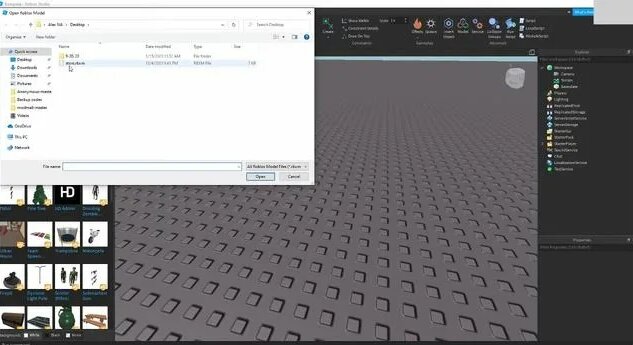
To import an RBXM file, open Roblox Studio, navigate to the 'File' menu, and select either 'Open From File...' or 'Insert From File...'. Then, browse to your RBXM file, select it, and click 'Open'. The asset will appear in your workspace or the selected parent.
What is the purpose of an RBXM file in Roblox development?
RBXM files are essentially packages containing Roblox assets like models, parts, or scripts. Their purpose is to enable easy sharing and reuse of specific components across different projects or with other developers, streamlining the creation process and promoting modular design.
Can RBXM files contain malicious scripts?
Myth vs Reality: Yes, RBXM files can potentially contain malicious scripts. Reality: Always exercise caution and only import RBXM files from trusted sources like the official Creator Marketplace or reputable developers. Review any included scripts after import.
My imported RBXM model is too big or small; how do I adjust its size?
After importing, select the model in your Explorer window. Use the 'Scale' tool located in the 'Model' tab of Roblox Studio to visually resize it. For precise adjustments, modify the 'Size' properties in the Properties window.
What's the best way to organize imported RBXM assets in my project?
Rename imported models descriptively immediately and group related assets into folders within the Explorer window. This practice maintains a clean hierarchy, makes navigation easier, and significantly improves project manageability, especially for larger builds.
Advanced Integration & Troubleshooting
Why won't my RBXM file import, and what should I do?
If an RBXM file fails to import, check your 'Output' window for error messages. Ensure the file has the correct '.rbxm' extension and isn't corrupted. Sometimes, restarting Studio or verifying the file's integrity from its source can resolve the issue.
Myth vs Reality: Can I use RBXM files for full project backups?
Myth vs Reality: RBXM files are not for full project backups. Reality: RBXM files are designed for individual assets. For comprehensive project backups, always save your game as an '.rbxl' or '.rbxlx' file via 'File > Save to File As...' to preserve your entire creation.
Still have questions about importing RBXM files or need further assistance? Explore our other guides on 'Roblox Studio Optimization' and 'Advanced Scripting Techniques' for more in-depth knowledge!
Ever wondered how to get those amazing custom assets or detailed models made by others into your own Roblox Studio projects? Many developers ask, "How exactly do I import RBXM files into Roblox Studio without a hitch?" It's a fantastic question and truly a game-changer for your creative journey. Integrating these files lets you leverage a vast library of community-made content. This guide provides a simple pathway to seamlessly bring external elements into your game worlds. Soon, your creations will boast even more impressive details and functionalities.
Bringing external resources into your Roblox Studio environment is a fundamental skill. It dramatically expands your building possibilities beyond basic primitives. RBXM files are special packages containing models, scripts, or entire structures. They are essentially snapshots of game components, ready for insertion. This capability streamlines development, saving countless hours of manual reconstruction. Think of it as plugging in pre-built modules into your intricate digital machine. Mastering this process is key for any aspiring Roblox game designer in 2026.
Understanding RBXM Files and Their Importance
RBXM files represent a compressed format for Roblox assets. These files store individual parts, models, scripts, or entire folders. Their utility lies in portability and reusability across projects. Developers widely share RBXM files to distribute creations efficiently. This file type helps in collaborating on larger, more complex projects. Understanding their structure is not critical for importing, but knowing their purpose is valuable. They essentially carry a blueprint of a Roblox object.
Why Use RBXM Files?
RBXM files are incredibly versatile for various development scenarios. They facilitate sharing specific components without sharing an entire game file. This allows for modular development and content contribution. For instance, a scripter can provide a complex script as an RBXM. A builder can offer an intricate building model. They are perfect for marketplaces, personal libraries, and team collaborations.
The Step-by-Step Guide to Importing RBXM Files
Importing an RBXM file into Roblox Studio is generally a very straightforward process. It involves just a few clicks within the application interface. Ensure your Roblox Studio is updated to the latest 2026 version for best compatibility. Regularly updating your software prevents many common technical glitches. This simple routine keeps your development environment optimized.
Method 1: Using 'Open From File' for Direct Insertion
This method is ideal for placing the RBXM content directly into your workspace. It's a quick way to add models to your current scene. Most creators use this for bringing in new assets. Start by launching Roblox Studio and opening your desired project. Make sure you have the Explorer window visible on your screen. This window provides a clear hierarchical view of all your game's objects.
- Open your Roblox Studio project where you want to add the asset.
- Navigate to the 'File' menu in the top left corner of the Studio window.
- Select the 'Open From File...' option from the dropdown menu. This action will open a standard file browser dialog box.
- Locate the '.rbxm' file on your computer's hard drive. Browse through your folders to find the saved asset.
- Select the desired '.rbxm' file and click 'Open'. The model or asset will then appear in your current workspace, usually centered.
Method 2: Utilizing 'Insert From File' for Specific Placement
The 'Insert From File' option offers more control over where the imported object lands. It's especially useful for adding an item to a specific parent object. This method helps maintain a clean and organized Explorer hierarchy. Imagine inserting a new weapon directly into a player's inventory. This is the precision this method offers. Always consider your project's organization when importing.
- In Roblox Studio, locate the Explorer window.
- Right-click on the specific instance or folder where you want to insert the RBXM content. For example, right-click on 'Workspace' or a particular model.
- From the context menu that appears, choose 'Insert From File...'. This will again open your file browser.
- Browse to find your '.rbxm' file on your local machine. Double-check that you're selecting the correct file.
- Click 'Open'. The contents of the RBXM file will now be parented under the instance you right-clicked.
Advanced Tips for RBXM File Management
As you progress, managing numerous RBXM files becomes important. Consider organizing your local asset library with clear folder structures. Naming conventions are your best friends here. For example, categorize by 'Models_Characters' or 'Scripts_Utility'. This thoughtful organization saves valuable time later on. Consistent naming also helps prevent confusion and duplication of assets.
Troubleshooting Common Import Issues
Sometimes, imports do not go as smoothly as planned. If an RBXM file doesn't appear, check your output window first. It often provides helpful error messages. Verify the file extension is indeed '.rbxm' and not something else. Ensure the file isn't corrupted or incomplete from its source. Sometimes, simply restarting Studio can resolve minor glitches. Don't hesitate to consult developer forums if issues persist.
Roblox Studio and RBXM files will remain central to collaborative creation. With AI tools becoming more integrated, generating complex RBXM assets could soon be automated. This future promises even faster development cycles. The core process of importing will likely stay similar, acting as a crucial bridge.
Q&A with Your AI Engineering Mentor
Hey there, fellow developer! I get why diving into file imports might seem a bit daunting at first. But trust me, you've totally got this! Let's clear up some common questions people have about RBXM files and how to get them into your Roblox projects. It's a really useful skill, and we'll break it down together.
## Beginner / Core Concepts1. **Q:** What exactly is an RBXM file and why should I care about it? **A:** Oh, I get why this confuses so many people when they're starting out! An RBXM file is basically a mini-package for Roblox assets – think of it as a zip file for your models, scripts, or parts. You should care because it's the standard way to share individual components between projects or with other developers, saving you tons of time from rebuilding things from scratch. It's super handy for grabbing cool stuff from the community or moving your own creations around. It's a fundamental building block for modular development. You've got this! Try importing a simple part as an RBXM to see how easy it is.2. **Q:** Can I import any RBXM file I find online, or are there risks? **A:** That's a super smart question to ask, and it shows you're thinking like a pro! While you *can* technically import most RBXM files, there are definitely risks involved. Just like downloading any file from the internet, malicious scripts or hidden backdoors can be embedded in an RBXM. My advice? Only import files from trusted sources like the official Roblox Creator Marketplace or reputable developers you know. Always inspect scripts after importing, especially if you're unsure. You wouldn't open a suspicious email, right? Same principle here! Be vigilant.3. **Q:** What's the main difference between 'Open From File' and 'Insert From File' when importing? **A:** This one used to trip me up too, so don't feel bad! The core difference is about *where* the asset lands in your project. 'Open From File' usually places the RBXM's contents directly into your Workspace, often at a default position. It's great for quickly bringing something into your scene. 'Insert From File,' however, lets you right-click on a specific item in your Explorer window (like a folder or another model) and put the RBXM's contents *inside* that item. This gives you more control over your project's hierarchy right from the start. Both are useful, just for different organizational needs. Practice both!4. **Q:** Do I need a special program to open or create RBXM files? **A:** Nope, not at all! That's the beauty of it. You don't need any external software to handle RBXM files. Roblox Studio itself is all you need to open them (import them) and even create them. When you select an object in Studio and right-click to 'Save to File,' it'll generate an RBXM. It's all built into your development environment, making the process incredibly seamless. It's one of those things that just works, which is a relief in development, right? Keep building, you're doing great!## Intermediate / Practical & Production5. **Q:** My RBXM file imported, but it's massive/tiny or in a weird spot. How do I fix its scale and position? **A:** Ah, classic! This happens to everyone, so don't sweat it. When an RBXM imports, it comes in at the scale and position it was saved at. If it's off, first select the imported model in the Explorer. Then, use the 'Scale' and 'Move' tools in the 'Model' tab of Roblox Studio. You can drag the handles to resize and reposition it visually. For precise adjustments, use the 'Properties' window to change its 'Position' and 'Size' numerically. Remember to group related parts into models before scaling if you're dealing with multiple pieces. It just takes a little tweaking, and you'll get the hang of it quickly!6. **Q:** Can RBXM files contain scripts, and if so, how do I ensure they work correctly after importing? **A:** Yes, absolutely! RBXM files can definitely contain scripts, which is super powerful for sharing functionality. When you import an RBXM with scripts, they'll come in just like any other part of the model. To ensure they work, first, check the script's 'Parent' property in the Explorer to make sure it's in the correct location for its intended function (e.g., a LocalScript in StarterPlayerScripts). Second, open the script and quickly review its code. Make sure any references to other parts or services are still valid in your project's context. Sometimes minor adjustments are needed based on your game's unique setup. It's a quick check that saves future headaches!7. **Q:** What are some best practices for organizing imported RBXM assets within my Roblox Studio project? **A:** This is where good habits really pay off! A messy workspace can become a nightmare. My top tip is to immediately rename imported models to something descriptive. For instance, instead of 'Model,' call it 'PlayerHouse_V2' or 'UtilityDoor_Scripted'. Then, group related assets into folders in the Explorer (right-click, 'Insert Object,' 'Folder'). Consider having dedicated folders like 'EnvironmentAssets,' 'CharacterCustomizations,' or 'GameSystems'. This structured approach makes your project manageable, especially as it grows. A tidy workspace is a happy workspace, and it saves you so much time searching later. You'll thank yourself!8. **Q:** I imported a complex building, but it's made of hundreds of individual parts. Is there a way to manage this? **A:** Totally relatable! Complex imports can certainly flood your Explorer. The best way to manage this is to ensure the original creator saved it as a *Model*. If it imports as loose parts, select all the parts you imported, then go to the 'Model' tab and click 'Group' (or use Ctrl+G). This will consolidate them into a single 'Model' instance. Then you can easily move, scale, or delete the entire building as one unit. If the building had any WeldConstraints or Joints, grouping usually preserves them. If not, you might need to add a 'Weld' script or use 'Weld to Last Part' in the 'Model' tab. It's all about making those huge builds manageable!9. **Q:** How do I update an imported RBXM model if the original creator releases a new version? **A:** Good question for collaborative workflows! Unfortunately, Roblox Studio doesn't have an automatic 'update' feature for externally imported RBXM files. You'll typically need to delete the old version from your project and then re-import the new RBXM file. However, before deleting the old one, make sure to copy over any custom modifications you might have made to it within your project (like specific colors, textures, or attached scripts). This is where good version control and clear communication with the asset creator come in handy. It's a manual process, but it's part of managing external dependencies.10. **Q:** Can RBXM files be used to back up my entire Roblox Studio project? **A:** That's an interesting thought, but no, RBXM files are not designed for full project backups. They are meant for individual assets or small collections of assets. For backing up your entire project, you'll want to save your game as an `.rbxl` or `.rbxlx` file (File > Save to File As...). This file type saves the *entire* game place, including all its assets, scripts, and properties. RBXM files are more like exporting a single component from your project. Always use `.rbxl` or `.rbxlx` for comprehensive backups! You definitely don't want to lose all your hard work.## Advanced / Research & Frontier 202611. **Q:** Are there any performance considerations when importing very large or complex RBXM models? **A:** Absolutely, this is a pro-level concern! Importing extremely complex RBXM models can definitely impact your game's performance. Each part, mesh, and script adds to the resource load. My advice for 2026 is to consider using 'Level of Detail' (LOD) techniques or simplifying meshes before import if the asset is for a large-scale game. Check the 'Part Count' and 'Triangle Count' in the 'Stats' tab after importing. High counts can lead to FPS drops and stuttering. If you're using cutting-edge AI-generated assets, ensure they're optimized for real-time rendering. Always prioritize optimization for a smooth player experience. You'll master this balance with practice!12. **Q:** Can RBXM files store custom materials or PBR textures, and how do they behave after import? **A:** Yes, they sure can! RBXM files in 2026 are quite capable of storing references to custom materials and PBR textures. When you import an RBXM that uses these, Roblox Studio will attempt to find or reapply them based on the asset's properties. However, if the custom textures aren't already uploaded to Roblox and linked to the asset via Asset IDs, they might not appear correctly. You might need to manually re-apply them or upload the image files yourself if they were local on the creator's machine. Always double-check the material properties after import for complex PBR assets. This is an area where careful asset pipeline management is key.13. **Q:** What's the relationship between RBXM files and the Roblox Creator Marketplace, and how does moderation apply? **A:** That's a deep dive into the Roblox ecosystem! RBXM files are the underlying format for many assets *before* they are uploaded to the Creator Marketplace. When a developer uploads a model or plugin to the Marketplace, it essentially gets packaged and stored by Roblox. The Marketplace then provides a convenient interface for users to *insert* those assets into their games, which internally functions similarly to an RBXM import. Moderation is crucial: all assets uploaded to the Marketplace undergo checks for malicious content or inappropriate material. However, if you're importing a local RBXM file that hasn't gone through the Marketplace, it bypasses these automatic checks, putting the onus on you to verify its safety. Be smart and safe with your imports!14. **Q:** Are there programmatic ways to import RBXM files via plugins or scripts in 2026? **A:** This is where things get really interesting for advanced developers! While there isn't a direct `game:ImportRbxmFile()` function in Lua, plugins can certainly leverage backend APIs or file system access (if granted by the user) to automate parts of the import process. More commonly, developers use external tools in conjunction with Roblox Studio's capabilities to streamline asset creation and packaging. For example, a 3D modeling tool might export directly to a format that can then be easily converted to an RBXM or imported as a MeshPart. The frontier models in 2026 are exploring more seamless interoperability, but direct in-Studio programmatic RBXM import for non-trusted sources remains a security challenge. It's a fascinating area for future automation, though!15. **Q:** What are the latest 2026 developments or rumors regarding RBXM file functionality or alternatives? **A:** Great question about the bleeding edge! In 2026, while RBXM remains the standard for component packaging, there's growing interest in more integrated asset pipelines. We're seeing more robust `AssetService` capabilities allowing programmatic access to Creator Marketplace assets. There are whispers of enhanced `glTF` or `USDZ` support for 3D models, which could offer richer metadata and PBR integration directly, potentially reducing the reliance on RBXM for complex visuals. Additionally, AI-driven procedural content generation is booming, and how those generative assets get into Studio efficiently (perhaps directly as new custom formats or via enhanced RBXM structures) is a hot topic. Roblox is always innovating, so keep an eye on official dev forums for announcements!## Quick 2026 Human-Friendly Cheat-Sheet for This Topic- Always use 'Open From File' or 'Insert From File' in Roblox Studio's 'File' menu.- To place an asset precisely, right-click in Explorer and pick 'Insert From File'.- Immediately group and rename imported models for a tidy workspace – your future self will thank you!- Stick to trusted sources for RBXM files to avoid malicious scripts; safety first, always!- If models are huge or tiny, use the 'Scale' and 'Move' tools in the 'Model' tab to adjust them.- RBXM files are for *components*, not full game backups – use `.rbxl` for that!- Regularly check the 'Output' window if an import fails; it usually tells you what's wrong.`,Import RBXM files, Roblox Studio assets, Custom models, Script integration, Game development workflow, External asset management, Roblox Studio tips, Beginner guide, Advanced techniques, Project enhancement, File management, Roblox development.
35


How To Import RBXM Files Into ROBLOX STUDIO YouTube . How To Import A Rbxm File Into Roblox Studio YouTube . How To Import Rbxm Files Into Roblox Studio YouTube . How To Import An RBXM File Into Roblox Studio YouTube . How To Add RBXM Files To Roblox Studio 2025 YouTube
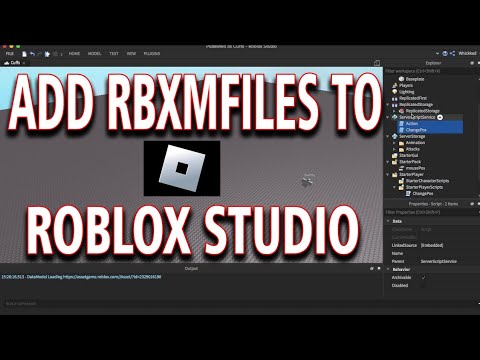


How To Add RBXM Files To Roblox Studio Full Guide YouTube Hqdefault . Tutorial How To Import Your Rbxm Files Into Roblox YouTube . How To Open RBXM Files In Roblox Studio 800x450. How To Import An RBXM File Into Roblox Studio Models Systems Assets O . Roblox Studio Building Tutorial Importing RBXM Files YouTube


HOW TO INSERT A FILE TO ROBLOX STUDIO YouTube . How To Import An RBXM File Into Roblox Studio Models Systems Assets O . How To Import An RBXM File Into Roblox Studio Models Systems Assets O . How To Import An RBXM File Into Roblox Studio Models Systems Assets O . How To Import Download Files Into Roblox Studio Bdadt
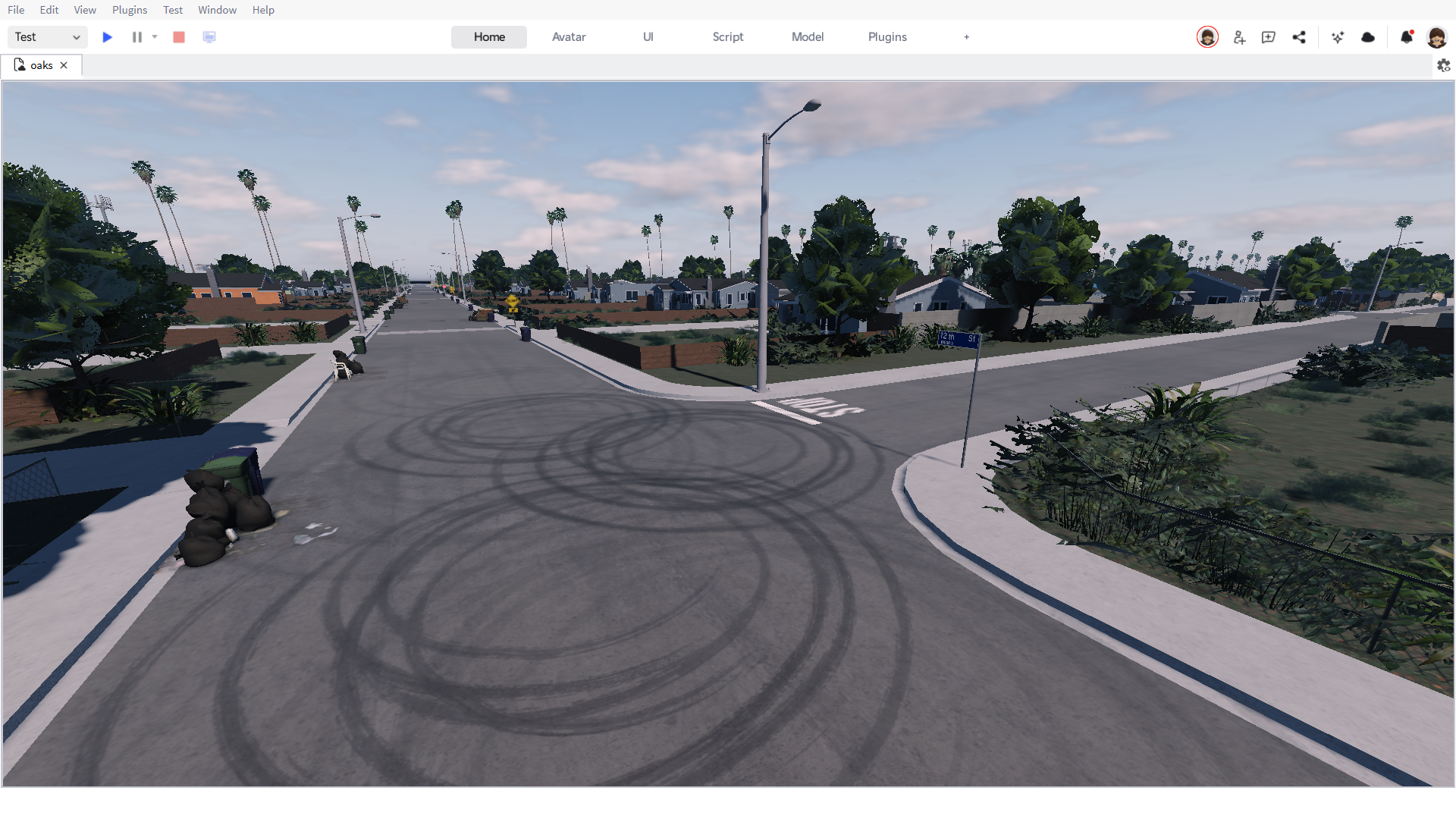


How To Import KW Asset Store Files Into Roblox Studio RBXL RBXM O . How To Import An RBXM File Into Roblox Studio Models Systems Assets O . How To Import Rbxm Files Into Roblox Studio 2023 YouTube . How To Add RBXM Files To Roblox Studio 2025 YouTube Hqdefault . How To Use Roblox Studio A Step By Step Guide Use Roblox Studio Step 50



How To Download A Rbxm File Into Roblox Studio Jestrue Rbxm File Format Icon Free Vector . How To Import KW Asset Store Files Into Roblox Studio RBXL RBXM O . How To Import An RBXM File Into Roblox Studio Models Systems Assets O . How To Convert Fbx Files To Rbxm Files Building Support Developer . Preview Rbxm Files Before Inserting The Model Studio Features



Roblox Avatar To Blender Your Easy Guide . How To Import A File Into Studio Platform Usage Support Developer . How Do I Use Import 3D In Roblox Studio Platform Usage Support . How To Import KW Asset Store Files Into Roblox Studio RBXL RBXM O . How To Import KW Asset Store Files Into Roblox Studio RBXL RBXM O


How To Import A Rbxm File And Rbxl To Roblox Studio 800x450. How To Import KW Asset Store Files Into Roblox Studio RBXL RBXM O . How To Import KW Asset Store Files Into Roblox Studio RBXL RBXM O . How To Import KW Asset Store Files Into Roblox Studio RBXL RBXM O . How To Put A Rbxm File Into Roblox Studio YouTube